

Replacing the roof on an apartment building is not like re-roofing a single-family home. Tenants still need to park, get to work and sleep while a crew works overhead, and the roof has to come off and go back on without letting water into occupied units.
The good news is that a multi-family roof replacement in Los Angeles can usually be planned so residents stay in their homes the whole time. The keys are a clear phasing plan, steady communication with tenants, and an honest look at what drives cost before you sign a contract.
This guide walks property owners and managers through how to phase the work, what to tell tenants and when, and what affects the price of an apartment building roof replacement in Los Angeles.

Start With a Roof Survey, Not a Price
Before anyone can phase or price the job, the roof needs a full survey. A good survey looks at:
- The roof deck, for soft or rotted areas that will need to be replaced.
- Drains, scuppers and gutters, and where water collects after rain.
- Flashing at parapet walls, vents, skylights and stair or elevator housings.
- Rooftop equipment, such as HVAC units and antennas, that may need to be lifted or disconnected.
- Access points, including where a dumpster and hoist can go without blocking exits.
If you are still deciding whether the roof needs full replacement, our earlier post on the signs it is time to re-roof a multi-family complex covers the warning signs.
How to Phase a Multi-Family Roof Replacement
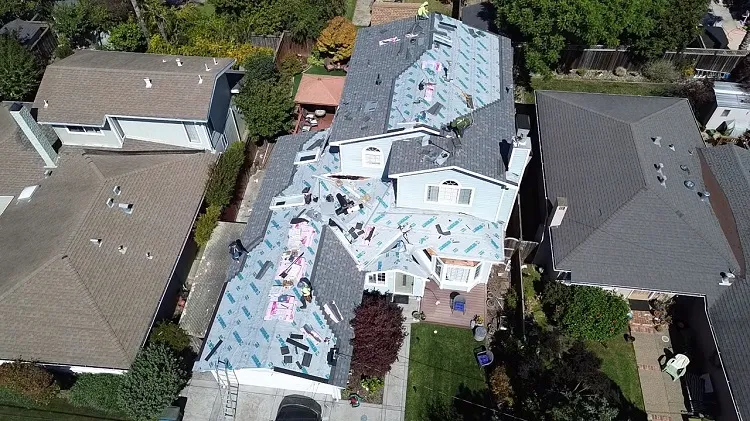
Phasing means breaking the roof into sections and finishing each one before moving to the next. It keeps most of the building covered at all times and limits how many units feel the work on any given day.
Common ways to phase the job:
- By building. On a complex with several structures, the crew finishes one building before starting the next.
- By roof section. On one large building, the roof is split along natural lines such as firewalls, expansion joints or changes in roof height.
- By daily tear-off limit. The crew only removes as much old roofing as it can make watertight the same day.
Each phase should have start and finish dates and a list of the units below it. That list becomes the backbone of your tenant notices. Phasing also helps with weather. Winter storms can bring heavy rain to Los Angeles, and a phased plan means only a small part of the roof is ever open when a storm moves in.
Tenant Communication: What to Say and When
Plan your tenant messages in three stages.
Well before work starts, send a written notice to every unit. Include the project dates, daily work hours, which phase affects which units, any parking or walkway changes, and one name and phone number for questions.
A few days before each phase, remind the affected units. Ask them to move vehicles if needed, bring in items from balconies and patios, and take fragile items off high shelves and walls, since work overhead can cause vibration.
During the work, post short updates in common areas or by text or email. Share weather delays, and tell residents exactly who to call if they see a drip or ceiling stain so it gets checked the same day.
A walkthrough with the roofing project lead before work begins also helps your staff know where materials will be staged and which entrances stay open.
Commercial Roofing for Multi-Family Properties in Los Angeles: What Drives Cost
Treat any early number as a rough guide until the survey is done. These factors move the price most:
- Roof size and number of buildings. More area and more separate roofs mean more labor and more setups.
- Roofing system. Flat and low-slope roofs on apartment buildings often use TPO, PVC or modified bitumen. Pitched sections may use shingles or tile.
- Tear-off. Removing several old layers takes longer and creates more debris to haul away.
- Deck repairs. Rotted or damaged decking found during tear-off has to be replaced before the new roof goes on.
- Rooftop equipment. Lifting, disconnecting and resetting HVAC units adds time and may need other trades.
- Access and building height. Taller buildings and tight lots can call for hoists, extra safety setup or limited staging areas.
- Code requirements. Some projects need cool roof products that meet California energy rules.
- Warranty level. Manufacturer warranties with longer coverage usually require specific materials and installation steps.
For more on pricing for larger buildings, see our guide to commercial roof replacement cost in Los Angeles.
Permits and Inspections in the City of Los Angeles
Re-roofing work in the City of Los Angeles is permitted through the Department of Building and Safety. The department’s express permit bulletin lists certain re-roof jobs that can qualify for an express permit, depending on the roof covering and sheathing. The same bulletin notes cool roof product requirements for some residential roof replacements.
Your contractor should confirm the permit path, pull the permit and schedule inspections. At the end, the city uses a re-roofing certificate of compliance signed by the licensed contractor. If your property is in another city in Los Angeles County, that city’s building department sets its own rules.
Frequently Asked Questions About Multi-Family Roof Replacement in Los Angeles
Can tenants stay home during a multi-family roof replacement in Los Angeles?
In most cases, yes. Commercial and multi-family roofing projects can often be scheduled and phased so the building stays occupied. Expect noise during work hours and short parking or walkway changes.
How long does an apartment building roof replacement take?
It depends on the size of the roof, the number of phases, the roofing system, weather and any deck repairs found during tear-off. Ask your contractor for a written schedule that shows each phase.
Who should tenants contact during the project?
Give tenants one point of contact, usually the property manager. That person then works directly with the roofing project lead so questions and leak reports are handled quickly.
Plan Your Multi-Family Roof Replacement in Los Angeles With Apollo Roofing Company
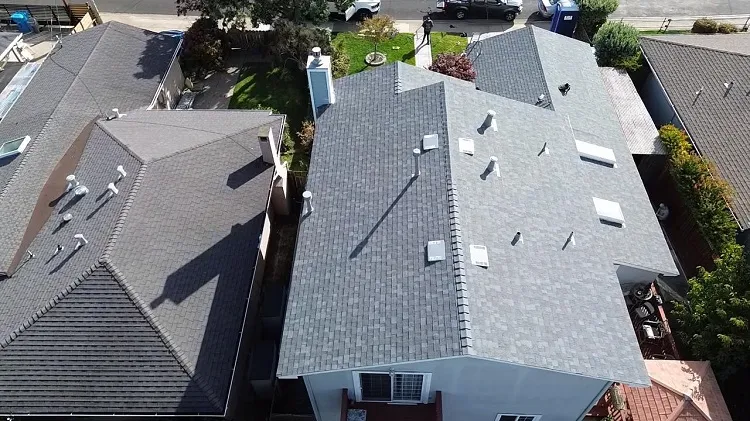
A roof project on an occupied building runs smoothest when the plan is set before tear-off starts. A full survey, a phased schedule and clear tenant notices keep residents informed and keep water out.
Apollo Roofing Company is a 2026 GAF GoldElite Commercial Contractor and works with property owners and managers across Los Angeles. If you are planning a multi-family roof replacement in Los Angeles, contact Apollo Roofing Company to schedule a roof survey and build a phasing plan for your building.
