

A hillside home can come with great views and a roof that is harder than most to replace. Narrow streets, steep driveways and sloped lots change how materials arrive, where debris goes and how the crew works safely.
A hillside roof replacement in Los Angeles succeeds or fails on planning. Before tear-off starts, the contractor should have a clear plan for access and staging, crew safety, debris removal, weather and fire-resistant materials. Homeowners who ask about each of these up front avoid most of the delays and surprises that hillside projects are known for.
This guide explains what makes a hillside job different, what to ask your roofer, and how material choice ties into fire safety and the structure of your home.
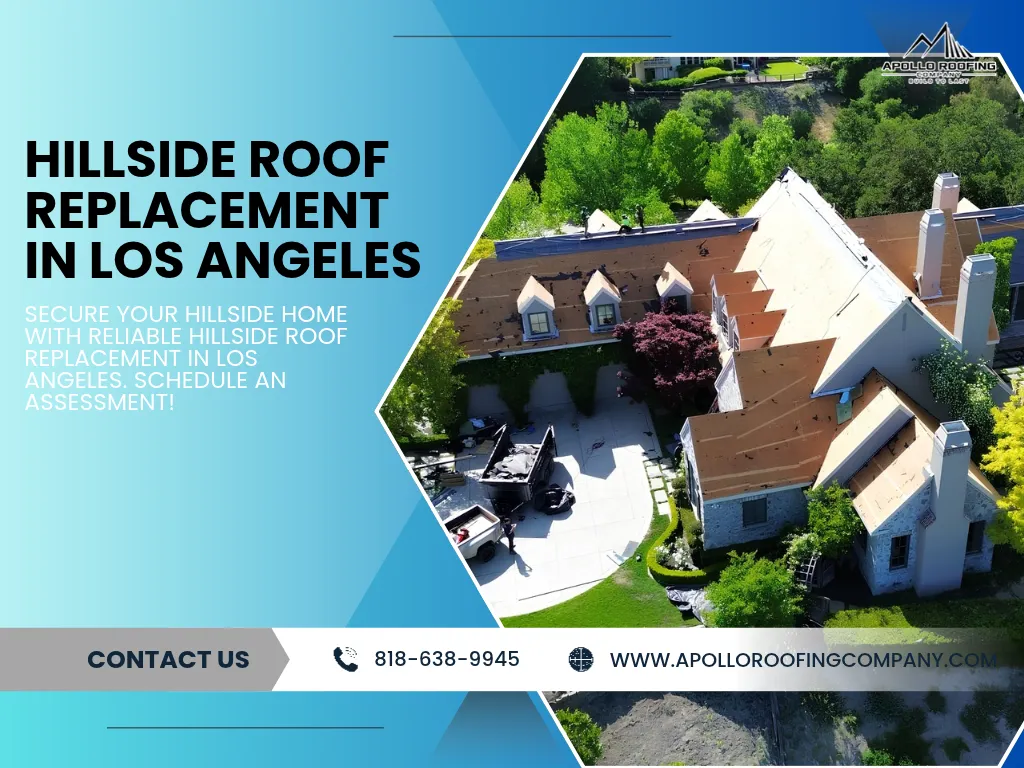
Why Hillside Roof Replacements Are Different
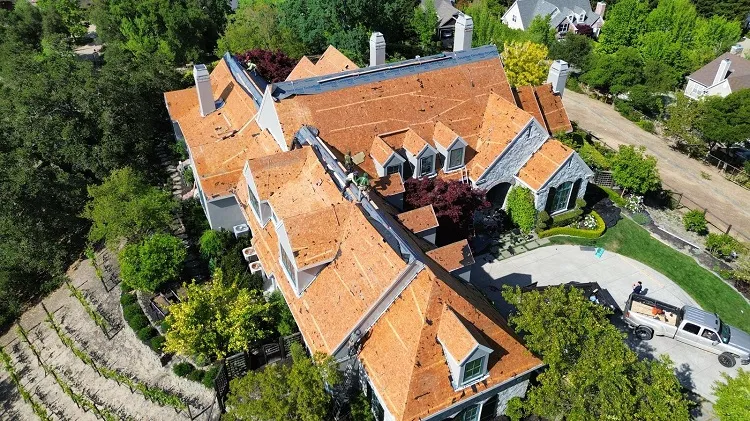
On a flat lot, a dumpster sits in the driveway and materials go straight up a ladder or lift. On a hillside, none of that is simple. Common challenges include:
- Tight access. Winding streets and limited parking can make it hard to park trucks or place a dumpster near the house.
- Steep or uneven ground. Ladders, lifts and material staging need stable footing, which a sloped yard may not offer.
- Height on the downhill side. A home that looks one story from the street can be two or three stories tall from below.
- Neighbors close by. Shared driveways and narrow roads mean deliveries and debris hauling affect the people next door.
For a broader look at how slope affects drainage, wind and flashing over the life of a roof, see our earlier post on roofing for hillside homes. This guide focuses on the replacement project itself.
Planning Access, Delivery and Staging
Ask your contractor to walk the property and the street before giving you a schedule. A good plan answers these questions:
- Where will materials be dropped, and will they need to be moved by hand or by hoist?
- Where will the dumpster or debris trailer go, and is a smaller bin needed?
- Will any street parking need to be reserved, and does the city require a permit for that?
- Which side of the house is safest for setting ladders and lifts?
- How will landscaping, decks and walkways below the work area be protected?
On many hillside jobs, materials are delivered in smaller loads and debris is hauled out more often. That can add time, but it keeps the street open and the site safe.
Safety on Steep Lots
Crew safety drives much of the hillside schedule. Expect your roofer to plan fall protection for the roof and for the drop on the downhill side of the house, and to keep the work area below clear while tear-off is underway.
Homeowners can help by keeping kids, pets and vehicles away from the downhill side during work hours and by letting neighbors know when deliveries are coming. A short call with the project lead before work starts is the easiest way to agree on these details.
Fire-Resistant Materials for Hillside Homes
Many hillside neighborhoods sit close to brush and open land, which makes fire safety a big part of the material decision. According to CAL FIRE’s home hardening guidance, the roof is one of the most vulnerable areas of a home, and California requires roof coverings and assemblies to be Class A-rated. CAL FIRE lists asphalt shingles, tile or cement shingles, and metal panels as common Class A roof coverings.
CAL FIRE also points to details that matter during a replacement:
- Gaps at the roof edge. Filling gaps between the roof covering and the sheathing helps keep embers and flame out.
- Gutters without covers can collect debris that catches embers. A noncombustible gutter cover reduces buildup.
- Attic vents with larger openings can let embers in, so keep debris away from all vents.
A replacement is a natural time to address these details. For a full comparison of options, see our guide to roofing materials for Los Angeles homes.
Matching the Material to the Structure
Fire rating is only part of the choice. Weight and structure matter too, especially on homes built on posts or steep foundations.
- Tile roofs can last 50 years or more, but tile is heavier than many other materials. The home’s structure must be evaluated to make sure it can safely carry the weight. Learn more on our tile roofing page.
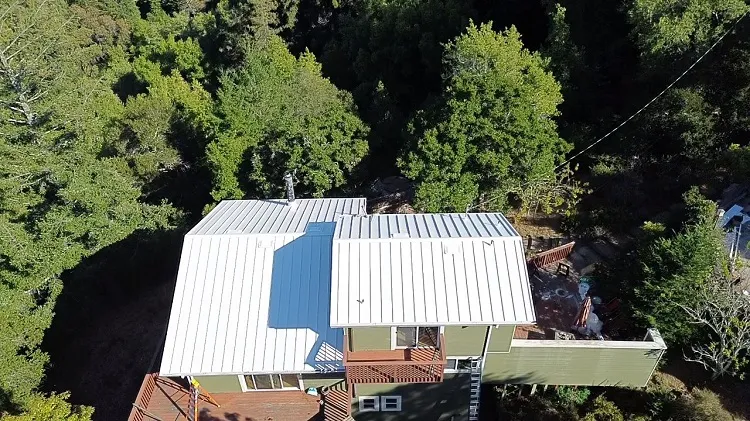
- Metal roofing is fire resistant and can last 40 to 70 years depending on the material, installation and maintenance.
- Asphalt shingles. Shingles are cost-effective and come in many styles. Most last 20 to 30 years depending on installation, ventilation and upkeep.
Switching from a light material to a heavy one is a major change on a hillside home, so ask whether a structural review is needed before you commit.
Timing Your Hillside Roof Replacement
Weather matters more when a roof is harder to reach. Winter storms can bring heavy rain to Los Angeles, and steep, wet sites are slower and less safe to work on. Many homeowners prefer to schedule tear-off during drier months and to have the work planned in sections so the home is never left open for long. Ask your contractor how the roof will be protected overnight and if rain moves in.
Frequently Asked Questions About Hillside Roof Replacement in Los Angeles
Does a hillside roof replacement in Los Angeles take longer than a standard job?
It often does. Smaller deliveries, more frequent debris runs and extra safety setup can add time. Your roofer should give you a written schedule after walking the property.
What roofing materials are fire resistant?
CAL FIRE lists asphalt shingles, tile or cement shingles, and metal panels as common Class A roof coverings. The right choice also depends on your home’s structure, style and budget.
Can my hillside home support a tile roof?
It depends on the structure. Tile is heavier than many other materials, so a structural evaluation is the safe first step before switching to tile.
Do I need a permit to replace my roof?
Most California cities require roofing permits for replacement, and a professional contractor typically handles the process as part of the project.

Plan Your Hillside Roof Replacement in Los Angeles With Apollo Roofing Company
A hillside roof is worth extra planning. With a clear plan for access, safety, materials and timing, the job can run smoothly and leave your home better protected.
Apollo Roofing Company offers residential roof replacement with shingle, tile and metal roofing options. If you are planning a hillside roof replacement in Los Angeles, contact Apollo Roofing Company to schedule a roof inspection and talk through a plan for your property.
