

Roofing projects in Los Angeles come with more than material choices, installation timelines, and curb appeal decisions. Whether you are replacing an aging roof, repairing storm damage, upgrading to a more energy-efficient system, or planning work on a commercial property, roofing permits in Los Angeles and local requirements can play a major role in how smoothly the project moves forward.
For many homeowners and business owners, the permitting process can feel confusing at first. Los Angeles has specific standards designed to protect property owners, improve building safety, support energy efficiency, and ensure roofing work is completed according to code. These requirements are not just paperwork. They help confirm that the roof over your home or business is built to perform safely in Southern California’s climate.
At Apollo Roofing Company, we understand that property owners want clear guidance before starting a roofing project. Knowing what to expect from the permitting process can help you avoid delays, failed inspections, fines, and unnecessary stress. This guide explains what permits may involve, why local regulations matter, and how working with an experienced roofing contractor can help you approach your project with confidence.
Why Roofing Permits Matter in Los Angeles
A roof is one of the most important structural systems on any property. It protects the building from sun exposure, rain, wind, heat, moisture, and long-term wear. Because roofing affects safety, drainage, energy performance, and structural integrity, the City of Los Angeles requires many roofing projects to follow established permitting and inspection processes.
A permit gives the city a way to verify that the work meets applicable building standards. It also provides a formal record that the project was reviewed or approved when required. That record can be valuable if you sell your property, file an insurance claim, refinance, or need to document that improvements were completed properly.
Skipping a required permit may seem like a shortcut, but it can create bigger problems later. Unpermitted roofing work may need to be corrected, inspected after the fact, or even partially redone if it does not meet code. In some cases, property owners may face penalties or complications during real estate transactions. For commercial buildings, permit issues can also affect tenant improvements, safety compliance, and long-term property planning.
Understanding roofing permits in Los Angeles helps homeowners and property managers make informed decisions before work begins. It also helps keep the project moving in the right order, from contractor review to material selection, permit application, installation, and final inspection.
When a Roofing Project May Require a Permit
Not every small roof-related task requires the same level of review, but larger projects often do. In general, roofing permits are commonly associated with roof replacements, major reroofing work, structural changes, changes to roofing materials, and certain repairs that affect a significant portion of the roof system.
A simple maintenance visit, such as clearing debris, sealing a minor exposed fastener, or replacing a small number of damaged shingles, may not trigger the same requirements as a full roof replacement. However, once the scope expands, it becomes important to verify whether a permit is needed before work begins.
Roof replacement permits in Los Angeles are especially important because a replacement usually involves removing or covering existing materials, evaluating the roof deck, installing underlayment, and applying a new roof system. These steps directly affect fire safety, weather protection, drainage, insulation, and building performance.
The Los Angeles Department of Building and Safety provides permitting services for construction, alterations, and related building work. The city also offers online permitting options for certain eligible projects, including reroofing under specific conditions. Because eligibility can depend on the property type, roofing material, project scope, and existing roof conditions, it is always best to confirm requirements before assuming a project qualifies for a faster process.
Understanding Los Angeles Roofing Regulations
Los Angeles roofing regulations are shaped by several important priorities. The city must account for earthquake safety, fire resistance, energy efficiency, waterproofing, drainage, ventilation, and neighborhood-specific conditions. Roofing work may also be influenced by state building codes, local amendments, zoning requirements, historic property rules, hillside conditions, and green building standards.
One major consideration in Southern California is heat. Los Angeles experiences long periods of sun exposure, and roofing materials can affect indoor comfort and energy use. Cool roof requirements are one example of how roofing standards connect to broader city goals. Certain roofing materials may need to meet reflectance or thermal performance standards, particularly when reroofing or replacing roof surfaces.
Fire safety is another important concern. Roofing materials must be appropriate for the structure and the area. In some parts of Los Angeles, especially hillside or wildfire-prone zones, roof assemblies may need to meet higher fire-resistance expectations. Choosing the wrong material or installation method can create compliance issues and long-term safety concerns.
Drainage also matters. A roof must be able to shed water properly, even in a region known for dry weather. When storms arrive, poor slope, blocked drainage, damaged flashing, or improper installation can lead to leaks and interior damage. Regulations help make sure the roof system is installed with performance and safety in mind, not just appearance.
For property owners, the most important takeaway is that roofing rules are not one-size-fits-all. A single-family home in a residential neighborhood, a flat-roof commercial building, a multifamily property, and a hillside structure may all have different considerations. That is why contractor experience matters.

What the Permit Process Usually Involves
The permitting process begins with understanding the project scope. A contractor typically evaluates the roof condition, identifies the type of work needed, reviews the roofing material, and determines whether the project may qualify for an online permit or require additional review.
Once the permit path is clear, the necessary project information is prepared. This can include property details, contractor information, work description, material type, roof area, and other documentation requested by the city. For straightforward reroofing projects, the process may be simpler. For more complex work, such as structural repairs, changes to roof framing, additions, or work involving unusual conditions, plan review may be required.
After the permit is issued, the roofing work must be performed according to the approved scope and applicable codes. Inspections may be required during or after the project. The purpose of inspection is to confirm that the installation meets city requirements and that the completed work aligns with the permitted project.
This is where preparation makes a major difference. A rushed or incomplete permit application can cause delays. A poorly defined scope can create confusion. Missing documentation can slow approval. Work performed outside the approved scope can create problems during inspection. A knowledgeable contractor helps reduce these risks by setting expectations early and keeping the process organized.
Common Mistakes Property Owners Should Avoid
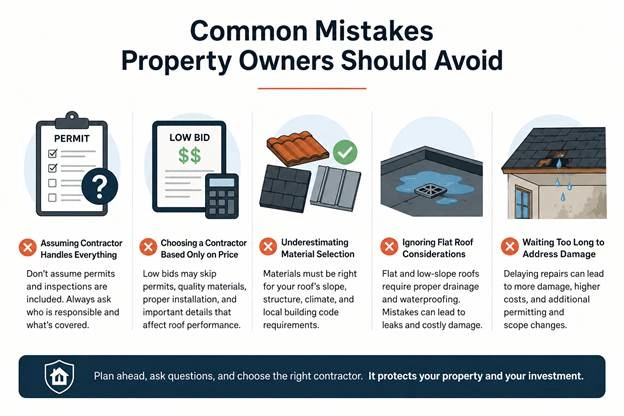
One of the most common mistakes is assuming that a contractor will automatically handle every permit detail. Many reputable contractors do assist with permitting, but property owners should still ask clear questions before signing an agreement. It is important to know who is responsible for the permit, what work is included, and whether inspections are part of the process.
Another mistake is choosing a contractor based only on price. A low bid may not include proper permitting, code-compliant materials, full tear-off needs, deck repairs, flashing details, ventilation updates, or inspection coordination. Roofing is not just about installing visible materials. The unseen details often determine how long the roof lasts and whether it passes required review.
Some property owners also underestimate the importance of material selection. A roofing product may look attractive, but it still needs to be appropriate for the structure, slope, climate, and local requirements. This is especially important for flat or low-slope roofs, where drainage and waterproofing performance are critical.
Waiting too long to address roof damage can also complicate the project. Small leaks can lead to damaged decking, mold concerns, insulation problems, and interior deterioration. Once the damage becomes more extensive, the scope of work may change, which can affect cost, timing, and permitting needs.
Residential Roofing Considerations
For homeowners, roofing work often begins with a visible problem. Missing shingles, water stains, aging materials, cracked tiles, soft spots, or recurring leaks can all signal that the roof needs attention. However, the visible issue is only part of the story. A proper inspection can reveal whether the problem is isolated or connected to a larger roof system failure.
Residential roofing projects in Los Angeles may involve asphalt shingles, tile, flat roofing systems, cool roof materials, or specialty products. Each roof type has its own installation requirements and performance considerations. A tile roof, for example, may require attention to underlayment and broken tile replacement. A flat roof may require careful evaluation of ponding water, membrane seams, flashing, and drainage.
Homeowners should also think about the future. If you plan to sell your home, install solar panels, improve energy efficiency, or renovate other parts of the property, a properly permitted and professionally installed roof can support those plans. Good roofing documentation gives future buyers, inspectors, and insurance providers more confidence in the work performed.
Roof replacement permits in Los Angeles can help protect that investment by creating a formal record and ensuring the project follows required standards. For homeowners, that peace of mind can be just as valuable as the finished roof itself.
Commercial Roofing Considerations
Commercial roofing projects often involve larger surfaces, different materials, stricter performance needs, and more coordination. A commercial roof may protect tenants, employees, inventory, equipment, and business operations. Delays, leaks, and compliance problems can have a direct financial impact.
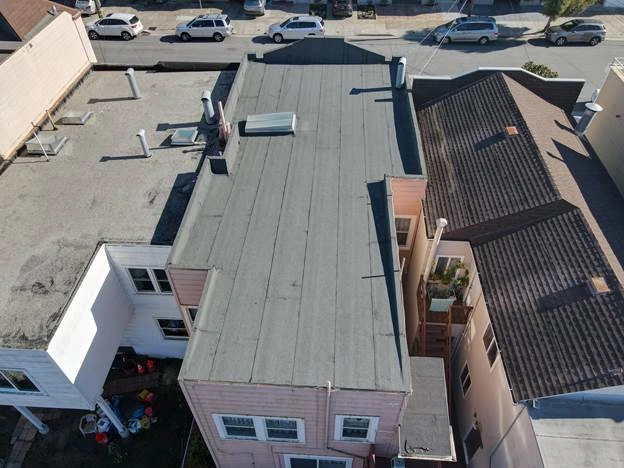
Commercial properties may also involve additional considerations such as rooftop HVAC equipment, drainage systems, access points, parapet walls, tenant schedules, safety planning, and energy requirements. Flat and low-slope roof systems must be installed with careful attention to waterproofing, seams, flashing, and long-term maintenance access.
For business owners and property managers, working with a contractor who understands Los Angeles roofing regulations can make the process more efficient. The goal is not only to complete the roof, but to complete it correctly, safely, and with minimal disruption to the property.
A well-planned commercial roofing project begins with communication. The contractor should clarify the scope, timeline, material options, access needs, and any permitting steps before work begins. This helps avoid surprises and keeps the project aligned with both code requirements and business priorities.
How Apollo Roofing Company Helps Simplify the Process
Apollo Roofing Company helps property owners approach roofing projects with clarity from the beginning. Instead of leaving homeowners or business owners to navigate confusing requirements alone, our team can explain the likely permit considerations, review the scope of work, and help coordinate the steps needed for a compliant roofing project.
Our experience with Los Angeles properties allows us to look beyond the surface. We consider the roof type, age, slope, existing materials, ventilation, flashing, drainage, and signs of hidden damage. This helps us recommend solutions that are practical, durable, and aligned with local expectations.
We also understand that communication matters. Property owners should not feel left in the dark during a roofing project. From the initial inspection to project planning and installation, Apollo Roofing Company focuses on clear guidance, dependable workmanship, and roofing solutions built for Southern California conditions.
Ready to Start? Apollo Roofing Company Can Help With Roofing Permits in Los Angeles
A roofing project should not begin with confusion. Whether you are planning a repair, replacement, or full roofing upgrade, Apollo Roofing Company is here to help you understand the process and move forward with confidence.
Our team can evaluate your roof, explain your options, and help you navigate roofing permits in Los Angeles with professional guidance from start to finish. We bring local experience, reliable craftsmanship, and clear communication to every project.
Contact Apollo Roofing Company today to schedule your roofing consultation and take the next step toward a safer, stronger, and code-conscious roof.
FAQs About Roofing Permits and Regulations in Los Angeles
Do I always need a permit to repair my roof in Los Angeles?
Not every small roof repair requires the same permit process, but many larger repairs, reroofing projects, and replacements do require city approval. The answer depends on the project scope, property type, roofing material, and whether structural or code-related work is involved. Before starting repairs, it is best to have a qualified roofing contractor review the roof and confirm whether a permit is required so you can avoid delays, penalties, or inspection issues later.
Why are permits important for a roof replacement?
Permits help confirm that the roof replacement follows applicable building codes, safety standards, and local requirements. They also create a record that the work was completed through the proper process. This can be useful when selling a property, working with insurance, or documenting improvements. A permitted project gives homeowners and business owners more confidence that the installation was completed with accountability and oversight.
What happens if roofing work is done without a required permit?
Unpermitted roofing work can create problems after the project is complete. The city may require corrections, additional inspections, or documentation before the work is accepted. In some cases, portions of the work may need to be opened, adjusted, or redone if they do not meet code. Unpermitted work can also complicate real estate transactions, insurance claims, and future renovations, which is why it is better to address permit requirements before work begins.
Can a roofing contractor help with the permit process?
Yes, an experienced roofing contractor can help you understand which permit requirements may apply to your project and assist with the necessary steps. The contractor can review the roof, define the scope of work, identify material considerations, and help keep the project aligned with city expectations. This support can make the process much less stressful, especially for homeowners or property managers unfamiliar with local building requirements.
Are roofing regulations different for residential and commercial properties?
Residential and commercial roofing projects can involve different requirements because the buildings are used differently and often have different roof systems. Commercial roofs may include larger low-slope areas, rooftop equipment, drainage systems, and tenant-related concerns. Residential roofs may focus more on ventilation, material type, slope, and energy performance. In both cases, proper planning helps ensure the roof is installed safely and in compliance with applicable rules.
