

Older homes often have details that newer construction simply does not. Original framing, multiple generations of roofing materials, unusual roof shapes, aging ventilation systems, and decades of repairs can all affect how a roof should be evaluated and maintained.
That makes roofing work on an older San Jose property different from working on a recently built home. The visible shingles or tiles may only tell part of the story. Conditions underneath the surface can be just as important, especially when a roof has already gone through several repair cycles.
Before deciding whether a roof needs another repair or a more extensive update, homeowners should understand how age, construction methods, materials, drainage, ventilation, and previous work can influence the condition of the entire roofing system.

Older Roofs Often Have More Than One Story to Tell
A home that has been standing for several decades may have undergone multiple roofing projects. New shingles may have been installed over older materials, flashing could have been replaced in some areas but not others, and sections of decking may have been repaired at different times.
Because of this, two parts of the same roof can sometimes age very differently.
One slope may receive more direct sunlight, while another stays shaded for much of the day. A section near a chimney or roof penetration may have experienced past leaks. Additions built years after the original home may also use different framing, slopes, or roofing materials.
A professional evaluation should look at the roof as a complete system rather than focusing only on whichever area currently appears damaged.
The Roof Deck Deserves Just as Much Attention as the Surface
Shingles, tiles, and other exterior materials receive most of the attention because they are visible. The roof deck underneath them is just as important.
On an older property, decking may show signs of previous moisture exposure, deterioration, uneven areas, or repairs from earlier roofing work. These issues are not always visible until existing materials are removed.
A roof replacement can therefore uncover conditions that were impossible to confirm during a surface-level inspection.
Homeowners planning roofing for historic homes in San Jose should be prepared for the possibility that some underlying components may need attention as work progresses. A contractor should explain how unexpected decking conditions will be evaluated and how any necessary repairs will be communicated before additional work is completed.
Flashing and Roof Penetrations Need Careful Evaluation
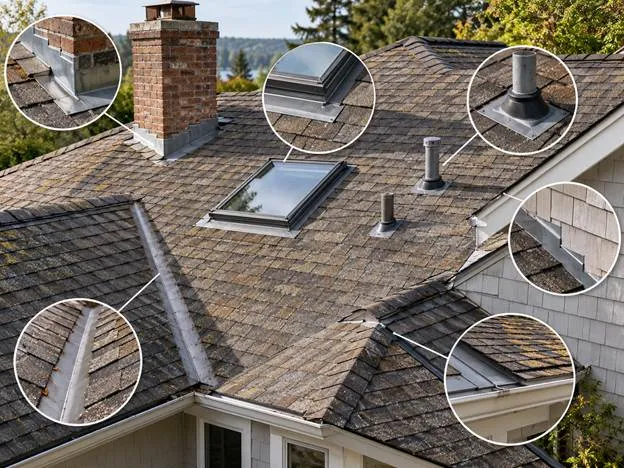
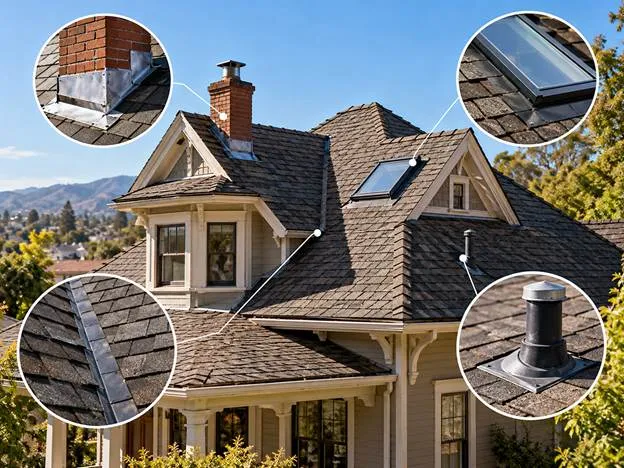
Flashing helps direct water away from vulnerable areas such as chimneys, walls, valleys, skylights, plumbing vents, and roof transitions.
On an older home, flashing may have been installed according to standards that were common decades ago. Some pieces may also have been patched, sealed, or reused during previous roofing projects.
Sealant alone should not be treated as a permanent solution when properly installed flashing is needed. Caulking and roofing cement can deteriorate with exposure to sunlight, heat, moisture, and normal building movement.
When evaluating an aging roof, contractors should pay close attention to how these transitions are constructed rather than simply covering visible gaps.
Ventilation May Have Changed Over the Years
Roof ventilation is another area where older homes can present unique challenges.
Some houses were built with limited attic ventilation. Others may have had vents added during later roofing projects without fully considering how intake and exhaust airflow work together.
Blocked soffit vents, disconnected pathways, insulation covering intake areas, or poorly positioned exhaust vents can prevent the system from operating as intended.
Proper ventilation helps manage attic heat and moisture, but adding more vents is not automatically better. The correct approach depends on the roof design, attic configuration, insulation, and existing airflow.
Before making ventilation changes, homeowners should have the overall roof and attic system evaluated rather than assuming one additional vent will solve the problem.
Drainage Problems Can Become More Important With Age
Water needs a clear path away from the roof.
Older homes sometimes have additions, valleys, low-slope areas, or drainage details that developed gradually as the property changed. Gutters may also have been replaced without addressing how water moves across the roof before reaching them.
Small drainage problems can become more significant over time. Water repeatedly collecting near flashing, roof edges, valleys, or transitions can accelerate deterioration and increase the chance of moisture reaching the materials below.
Tree debris can add another concern. Leaves and organic material can collect in valleys and drainage areas, slowing water movement and holding moisture against the roof surface.
Routine inspections are especially valuable for identifying these conditions before they become active leaks.
Previous Repairs Should Not Automatically Be Repeated
An older roof may contain patches that solved a problem years ago. That does not necessarily mean the same repair is still the best solution today.
Roofing materials age together, and the surrounding condition matters. A repair that made financial sense when most of the roof was in good condition may be less practical once deterioration becomes widespread.
This is why the decision between repair and replacement should consider the roof as a complete system. The location of the damage, age of surrounding materials, frequency of previous leaks, decking condition, flashing, drainage, and overall performance all contribute to the decision.
When homeowners are considering roof replacement for older homes in San Jose, understanding the history of previous repairs can help reveal whether isolated fixes are still reasonable or whether broader work may provide a more dependable solution.
Older Homes May Require More Planning Before Work Begins
Roofing projects on older properties can involve more unknowns than projects on newer homes.
Access may be more difficult. Rooflines can be complex. Existing materials may need closer evaluation. Older decking, flashing, ventilation, and structural details may also require additional planning.
Homeowners should ask how the contractor handles unexpected conditions discovered after tear-off. Clear communication about potential repairs, material changes, and project costs can prevent confusion once work begins.
For roofing for historic homes in San Jose, homeowners may also need to consider architectural character, original materials, neighborhood requirements, or local permitting conditions before choosing a replacement system.
The objective should not simply be to install a new surface. The new roofing system should work properly with the structure beneath it.
Material Selection Should Consider the Existing Home
Choosing roofing materials involves more than appearance.
Weight, slope, ventilation requirements, heat exposure, drainage, installation details, and compatibility with the existing structure can all influence which materials make sense.
Some homeowners want to preserve the appearance of an older house while gaining the performance benefits of newer roofing products. Others may be replacing materials that are no longer practical or readily available.
A qualified roofer can help homeowners compare options based on how the roof is actually built rather than choosing a product solely because it looks similar to the existing material.
For homeowners evaluating roof replacement for older homes in San Jose, this conversation is especially important because the right material should complement both the property’s appearance and its current structural conditions.
Frequently Asked Questions
How do I know whether an older roof should be repaired or replaced?
The answer depends on more than the age of the roofing material. A contractor should consider the location and extent of damage, previous repairs, active leaks, decking condition, flashing, drainage, ventilation, and the remaining condition of surrounding materials. A limited problem may still be repairable, while widespread deterioration may make replacement more practical.
What problems are commonly found on roofs of older San Jose homes?
Older roofs may have deteriorated flashing, worn materials, previous patches, aging decking, blocked ventilation, drainage concerns, or roofing layers installed during different periods. Not every older home will have these issues, which is why a thorough inspection is more useful than making assumptions based only on the property’s age.
Can a new roof be installed without replacing the roof deck?
Sometimes. If the decking is structurally sound, dry, properly attached, and suitable for the new roofing system, much of it may remain in place. However, damaged or deteriorated sections generally need to be repaired or replaced. The full condition of the deck often becomes clearer after existing roofing materials are removed.
Should attic ventilation be updated when an older roof is replaced?
It may be appropriate, but ventilation should be evaluated as a complete system. Intake vents, exhaust vents, attic configuration, insulation, and airflow all matter. Simply adding vents without understanding the existing system can create an imbalance instead of improving performance.
Give Your Aging Roof the Attention It Deserves with Apollo Roofing Company: Roofing for Older Homes in San Jose
An older home deserves a roofing plan that accounts for more than what is visible from the street. Apollo Roofing Company can evaluate your roof’s materials, decking, flashing, drainage, ventilation, and previous repairs to help you understand its current condition. If you are concerned about an aging roof or planning future improvements, contact Apollo Roofing Company to schedule a professional evaluation and discuss the right approach for your home.
