

A shingle roof is designed to withstand years of sun, rain, temperature changes, and everyday exposure to the elements. Still, no roofing system lasts forever, and local conditions can influence how quickly materials begin to show their age.
For San Jose homeowners, understanding what affects roof longevity can make it easier to plan maintenance, recognize developing problems, and avoid waiting until a minor roofing concern becomes an emergency. A roof’s age matters, but it is only part of the picture. Installation quality, ventilation, drainage, maintenance history, roof design, and material selection all play important roles.
A well-maintained asphalt shingle roof may provide roughly 15 to 25 years of service, although actual performance can fall outside that range. Instead of relying on age alone, homeowners should look at how the roof is performing and how local conditions have affected it over time.
Why San Jose’s Climate Affects Roof Lifespan
San Jose generally experiences warm, dry summers and cooler, wetter winters. Those conditions can seem relatively mild compared with regions that experience frequent snow, hail, or hurricanes, but roofing materials are still exposed to repeated environmental stress throughout the year.
The biggest concern is not usually one dramatic weather event. More often, roof aging happens gradually as sunlight, heat, moisture, debris, and temperature changes affect the roofing system season after season.
Prolonged Exposure to Sunlight
Sunlight is one of the most persistent environmental factors affecting asphalt shingles.
During sunny weather, roof surfaces absorb solar energy for hours at a time. Darker shingles can become particularly warm, and repeated exposure to ultraviolet radiation gradually affects the asphalt components within the material.
Over time, shingles may become more brittle and less flexible. The protective granules embedded in the surface can also loosen as the roofing material ages. Those granules are important because they help protect the asphalt from direct ultraviolet exposure and contribute to the roof’s overall durability.
Some granule loss is normal as shingles age. Homeowners may notice small amounts collecting near downspouts or in gutters. A significant increase in granule loss, especially when accompanied by visible bare areas on shingles, deserves closer attention.
Roof orientation also matters. A slope that receives strong afternoon sunlight may age differently from a shaded section of the same roof. That is one reason roof condition should be evaluated across the entire property rather than judged from a single visible area.
Fluctuating Temperatures
Roofing materials naturally expand when they heat up and contract as they cool.
San Jose does not experience the severe freeze-and-thaw cycles common in colder climates, but roof temperatures can still change considerably between warm afternoons and cooler nights. This repeated movement takes place thousands of times throughout the life of a roof.
A properly installed roofing system is designed to accommodate normal movement. As shingles and related components age, however, years of expansion and contraction can contribute to cracking, curling, weakened seals, or deterioration around vulnerable areas.
Temperature changes can also affect flashing, sealants, roof penetrations, and other components that need to remain watertight while different materials move at slightly different rates.
This is why an aging roof should be evaluated as an interconnected system. The shingles may be the most visible part, but they are not the only materials responding to changing temperatures.
Occasional Heavy Rainfall
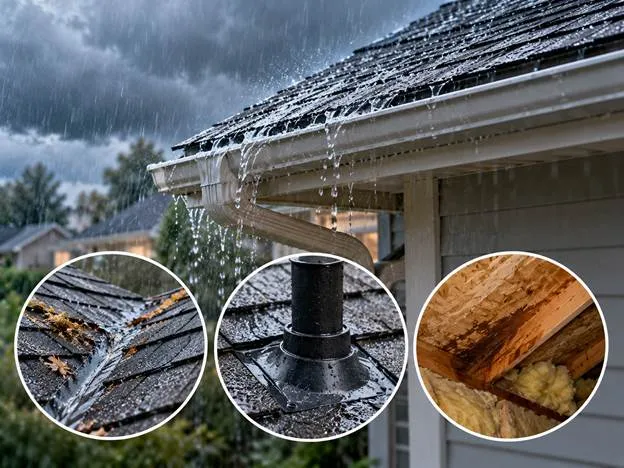
San Jose’s dry season can sometimes make roofing problems easy to overlook. A roof may appear to be performing normally for months before sustained rainfall reveals a vulnerable area.
Water can enter through damaged shingles, deteriorated flashing, poorly sealed roof penetrations, valleys, roof-to-wall transitions, or previous repairs that are no longer performing as intended.
Drainage is especially important during heavier rain. Water should move efficiently down the roof and into the gutter system rather than collecting around debris, low areas, or damaged components.
A small leak does not always create an obvious drip in the living space. Moisture can first affect roof decking, attic insulation, framing, or interior surfaces before a homeowner notices visible staining.
For that reason, homeowners should not assume a roof is problem-free simply because no active leak is visible. Periodic inspections can help identify developing conditions before the rainy season puts the roof to a more demanding test.
Coastal Proximity
Although San Jose sits inland, the broader Bay Area environment can still expose homes to changing winds, moisture, and regional weather patterns.
Metal roofing components such as flashing, fasteners, vents, and other exposed materials can gradually deteriorate depending on their composition, installation, and environmental exposure.
The condition of these components matters because even a roof with relatively healthy shingles can develop problems around penetrations, edges, valleys, and transition points.
Homeowners should therefore think beyond the shingle surface when evaluating roof longevity. A roofing system performs only as well as its supporting components allow.
Common Indicators of Roof Wear and Tear
Age can provide a useful reference point, but the condition of the roof usually tells homeowners much more.
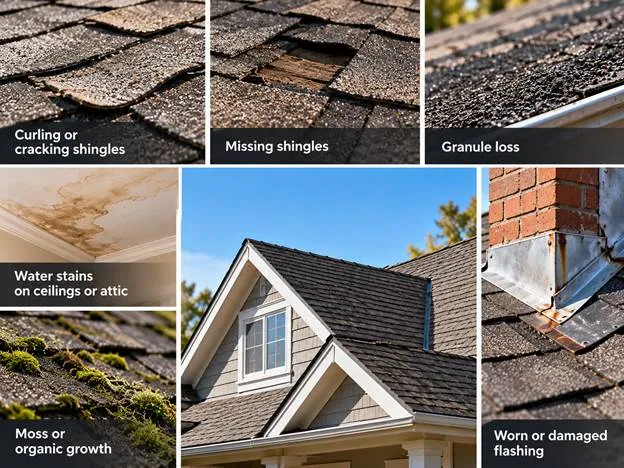
Curling or cracking shingles may indicate that materials are becoming brittle or have experienced years of weather exposure. Missing shingles are another concern because they can leave portions of the underlying system more vulnerable to water.
Granule loss is also worth watching. As shingles age, their surfaces may become smoother and the asphalt layer may become more exposed.
Water stains on ceilings or attic surfaces deserve prompt attention, even if the stain appears dry. A discoloration from a previous rainy season may indicate a problem that becomes active only under certain weather conditions.
Flashing around chimneys, vents, walls, skylights, and roof edges should also be evaluated. Rust, separation, missing sealant, or poorly executed previous repairs can create entry points for moisture.
Moss or organic growth should not automatically be treated as proof that a roof needs replacement, but it can indicate areas that remain damp or shaded for extended periods. Growth should be evaluated carefully rather than aggressively scraped or pressure washed, which can damage asphalt shingles.
If several signs of deterioration appear at the same time, a professional inspection can help determine whether the concerns are isolated or part of a broader aging pattern.
When to Consider a Roof Replacement
There is no single birthday at which every asphalt shingle roof suddenly needs replacement.
A roof approaching 20 years old may still be performing adequately if it was installed properly, has received reasonable maintenance, and has experienced favorable conditions. Another roof of the same age may have widespread deterioration because of installation problems, poor ventilation, drainage issues, repeated repairs, or greater environmental exposure.
That is why homeowners should avoid making the repair-versus-replacement decision based only on age.
A localized problem involving a small number of shingles or a specific flashing detail may be repairable when the surrounding roof remains in good condition. If cracking, granule loss, failed repairs, leaks, or deterioration are appearing across multiple sections, continuing to patch individual areas may become less practical.
The condition beneath the shingles matters too. Roof decking that has experienced prolonged moisture exposure may require repair, and some underlying problems cannot be fully evaluated until existing materials are removed.
Planning ahead can make roof replacement easier. If an older roof is approaching the end of its expected service life, homeowners can begin evaluating materials, budgeting for the project, and speaking with a qualified shingle roof replacement company in San Jose before an active leak forces a faster decision.
FAQs About Shingle Roof Replacement Company in San Jose
How much does a shingle roof replacement cost in San Jose?
The cost of shingle roof replacement depends on much more than square footage. Roof pitch, access, tear-off requirements, material selection, flashing details, ventilation, roof complexity, and the condition of the decking can all affect the final price. The most useful estimate comes from an inspection of the actual property rather than a general price-per-square-foot assumption.
How long does a shingle roof replacement take?
Many straightforward residential shingle roof replacements can be completed within several working days, but the exact schedule depends on the home. Roof size, slope, access, weather, material availability, permitting, decking repairs, and complex flashing areas can extend the timeline. A contractor should explain the expected schedule before work begins and communicate if hidden conditions require additional work.
Do I need a permit for a shingle roof replacement in San Jose?
Roof replacement projects may require permits depending on the scope of work and applicable local requirements. Permitting also helps ensure that the project is completed according to relevant building standards. Homeowners should confirm what permits apply to their specific project and clarify whether their roofing contractor will coordinate the required documentation and inspections.
How can I find the best shingle roofing contractors in San Jose?
Look beyond advertising claims and compare contractors based on licensing, insurance, experience, communication, workmanship, warranties, material knowledge, and the detail provided in their estimates. A good contractor should be willing to explain what the roof needs, why the work is recommended, and what is included in the project rather than simply providing a price without context.
Reach Out To Apollo Roofing Company: Your Shingle Roof Replacement Company in San Jose
Your roof does not need to be leaking before it deserves attention. Understanding its age, condition, repair history, ventilation, drainage, flashing, and material performance can help you make better decisions before problems become more disruptive.
If your shingles are showing signs of wear or your roof is approaching the later years of its expected service life, Apollo Roofing Company can evaluate the system and help you understand whether maintenance, targeted repairs, or replacement makes the most sense for your home.
Contact Apollo Roofing Company to schedule a professional roof evaluation and get a clearer picture of how your shingle roof is holding up in San Jose’s climate.
