

A roof can look perfectly fine from the driveway while quietly aging in ways that are harder to see. In Santa Cruz, that aging process is influenced by more than the date the roof was installed. Coastal moisture, sun exposure, ventilation, roofing material, workmanship, and maintenance can all affect how well a roof holds up over time.
Understanding roof lifespan in Santa Cruz helps property owners make better decisions about inspections, repairs, and eventual replacement. Instead of relying only on a roof’s age, it is more useful to look at how the entire roofing system is performing and whether local conditions are accelerating wear.

Roofing Material Makes a Major Difference
The material on your roof is one of the biggest factors in how long it may last. Asphalt shingles are common because they are affordable and versatile, but their longevity can vary depending on product quality, installation, ventilation, and exposure.
Tile roofing often has a longer service life, although individual tiles can crack or shift and the underlayment beneath them may need attention sooner than the tile itself. Metal roofing can also perform for many years when properly installed and maintained, but fasteners, seams, flashing, and exposed metal components still need periodic evaluation.
Flat and low-slope roofing systems are common on some commercial buildings and modern homes. Their lifespan depends heavily on drainage, membrane condition, installation quality, and how quickly punctures or seam problems are addressed.
The material may give you a general starting point, but it is not a guarantee of how long a specific roof will remain reliable.
Santa Cruz Weather Can Influence Roof Aging
Santa Cruz has a coastal climate that creates its own set of roofing conditions. Moisture from marine air, seasonal rain, wind, and periods of strong sun can all affect roofing materials over time.
Properties closer to Monterey Bay may experience more frequent exposure to salt-containing air and moisture. That does not automatically mean a roof will fail early, but metal components such as flashing, fasteners, vents, and edging may deserve closer attention as they age.
Seasonal rain can also expose weak points that were not obvious during dry weather. Small flashing gaps, damaged shingles, deteriorated sealants, or worn membrane areas may allow moisture to enter once storms arrive.
This is why the answer to how long does a roof last in Santa Cruz depends partly on how the roof responds to the environment around it.
Sun Exposure Can Be Hard on Roofing Materials
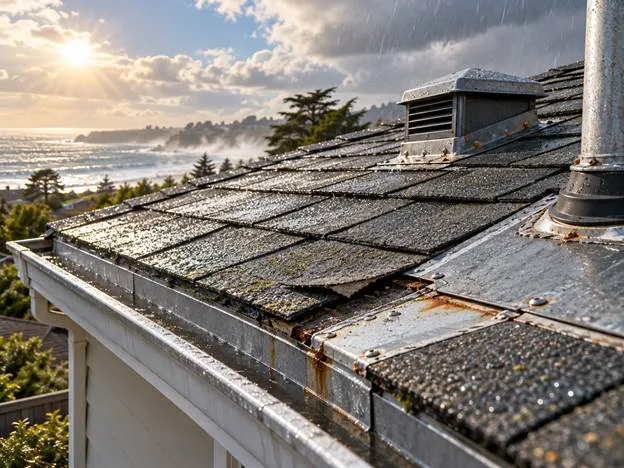
Santa Cruz is known for its coastal influence, but roofs still receive significant sun exposure. Ultraviolet radiation and heat can gradually dry out certain materials, affecting flexibility and surface condition.
Asphalt shingles may lose granules, become brittle, curl, or crack as they age. Sealants around penetrations can also deteriorate after repeated exposure to sunlight and temperature changes.
Roof sections that receive direct afternoon sun may not age at exactly the same rate as shaded areas. Tree cover, surrounding buildings, roof pitch, and orientation can all create different conditions across the same property.
That is one reason a roof inspection should look at the entire system instead of assuming every section is aging evenly.
Installation Quality Can Add or Subtract Years
A high-quality roofing material cannot make up for poor installation. Small mistakes at the beginning of a roof’s life can become expensive problems later.
Flashing around chimneys, skylights, roof-to-wall transitions, and plumbing vents must be installed correctly to keep water moving away from vulnerable areas. Shingles or roofing membranes also need to be attached according to the manufacturer’s requirements.
Poorly installed underlayment, incorrect fastener placement, or weak drainage details can create problems long before the roofing material itself reaches the end of its expected service life.
Proper installation is one of the strongest foundations for achieving a better roof life expectancy in Santa Cruz, especially in a climate where moisture can quickly expose weak details.
Ventilation and Attic Conditions Matter Too
Roof longevity is not determined only by what happens outside. Conditions beneath the roof can also influence how well the system performs.
Poor attic ventilation may allow excess heat and moisture to build up. Over time, this can contribute to premature deterioration of roofing materials and may also create conditions that affect roof decking or insulation.
Balanced airflow helps manage temperature and moisture levels more effectively. Homeowners with older roofing systems, recent attic upgrades, or recurring moisture concerns should consider whether ventilation is part of the larger problem.
If shingles appear to be aging unusually quickly, the cause may not be visible from the exterior alone.
Maintenance Can Prevent Small Problems From Spreading
Most roof problems do not begin as major failures. A loose flashing edge, cracked tile, damaged shingle, clogged drainage area, or deteriorated sealant can start small and become more serious when ignored.
Routine visual inspections and timely repairs give homeowners a better chance of addressing isolated problems before moisture reaches the underlying structure.
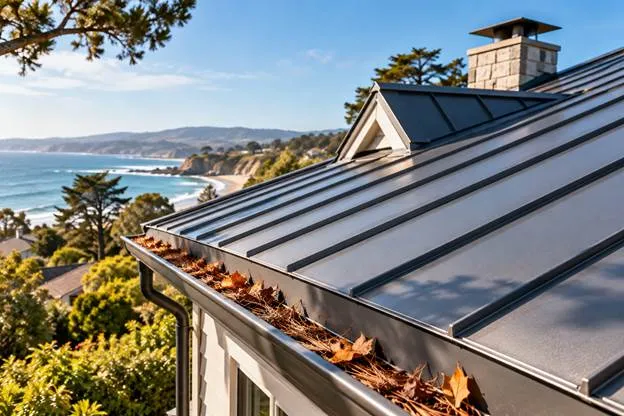
Debris should also be cleared from roof surfaces and drainage paths when appropriate. Gutters and downspouts need to move water away efficiently so water is not repeatedly backing up or spilling into vulnerable roof areas.
Maintenance cannot make a roof last forever, but it can help preserve its condition and reduce avoidable damage.
Previous Repairs Tell Part of the Story
A roof with a long repair history deserves closer attention than one that has experienced only an occasional isolated issue.
Repeated leaks in the same section may suggest that the visible problem is only one part of a larger weakness. Multiple patches, aging flashing, recurring seam failures, or several different leak locations can indicate that repairs are becoming less cost-effective.
Homeowners should keep records of previous roofing work when possible. Knowing what was repaired, when it was repaired, and whether the issue returned can help a roofing professional understand how the system is aging.
A roof may still have useful service life remaining, but repeated problems should not be treated as unrelated events without investigation.
Roof Age Is Only One Piece of the Decision
Homeowners often ask about the installation year first, and that information is useful. However, age by itself does not determine whether a roof needs replacement.
Two roofs installed in the same year can perform very differently. One may have excellent ventilation, limited storm damage, high-quality materials, and regular maintenance. The other may have repeated repairs, heavy sun exposure, poor drainage, or installation issues.
Condition matters just as much as age.
When evaluating roof lifespan in Santa Cruz, it is more helpful to look at the actual roof surface, flashing, penetrations, drainage, decking where accessible, previous repair history, and signs of moisture intrusion.
Warning Signs That Your Roof May Be Nearing Replacement
Some changes deserve professional attention even if the roof has not reached a particular age.
Missing or lifted shingles can leave sections more vulnerable to rain. Widespread cracking, curling, or granule loss may indicate that asphalt shingles are deteriorating. Cracked or displaced tiles can expose the underlayment below.
On flat roofing systems, open seams, punctures, blistering, deteriorated flashing, or areas of recurring standing water should be evaluated.
Inside the property, ceiling stains, peeling paint, musty odors, or visible moisture in the attic can point to water intrusion. These signs do not always mean full replacement is necessary, but they are reasons to have the roof inspected rather than waiting for the next storm.
Repair or Replace? Condition Should Guide the Decision
A repair can make sense when damage is isolated and the surrounding roof remains in good condition. Replacing a few damaged shingles, correcting flashing, or repairing a localized membrane issue may restore reliable performance.
Replacement becomes more reasonable when problems are widespread, leaks keep returning, large areas are deteriorated, or the underlying roof system is no longer providing dependable protection.
The goal is not to replace a roof simply because it is old. It is to understand whether continued repairs are likely to provide good value or whether replacement would solve a broader condition problem.
Knowing how long does a roof last in Santa Cruz is useful, but the better question is whether your particular roof is still performing as it should.
FAQs About Roof Lifespan in Santa Cruz
What is the average roof life expectancy in Santa Cruz?
The roof life expectancy in Santa Cruz varies by roofing material, installation quality, exposure, maintenance, and property conditions. Asphalt shingles generally have a shorter expected service life than tile or metal systems, but even roofs made from the same material can age differently. Regular inspections are helpful because actual condition is more meaningful than relying on a general lifespan estimate alone.
Does living near the coast shorten a roof’s lifespan?
Coastal exposure can affect certain roof components, particularly exposed metal parts that are susceptible to corrosion. Salt-containing air, moisture, wind, and changing weather conditions may contribute to wear over time. Distance from the ocean, material quality, protective coatings, maintenance, and installation all influence how significant those effects become.
Can regular roof maintenance extend the life of a roof?
Maintenance can help reduce avoidable deterioration by catching smaller issues before they affect a larger portion of the roof. Addressing loose flashing, damaged shingles, cracked tiles, deteriorated sealants, or drainage concerns early may prevent moisture from reaching more vulnerable materials beneath the roof covering. Maintenance supports longevity, although it cannot prevent normal aging indefinitely.
Should I replace my roof based only on its age?
Age should be considered, but it should not be the only reason to replace a roof. A professional evaluation can help determine whether the roofing materials, flashing, drainage, penetrations, and underlying components are still performing properly. Some older roofs remain serviceable, while younger roofs may need significant work because of installation defects, storm damage, moisture issues, or repeated repairs.
How can I tell how much life my roof has left?
A roofing professional can evaluate the overall condition of the system and look for signs of widespread deterioration, damaged materials, flashing issues, moisture intrusion, or recurring repair areas. While no inspection can predict an exact replacement date, a condition-based assessment can give you a much clearer idea of whether the roof appears healthy, needs repairs, or may be approaching replacement.

Concerned About Roof Lifespan in Santa Cruz? Get Answers From Apollo Roofing Company!
You should not have to guess whether your roof has years of service left or whether a hidden problem is getting worse. If you are noticing leaks, aging materials, storm-related damage, or recurring repairs, Apollo Roofing Company can help you understand what is happening and what options make sense for your property.
Contact Apollo Roofing Company to schedule a professional roof evaluation and get clear guidance based on the condition of your roof, your property, and Santa Cruz’s coastal environment. A timely inspection can help you plan repairs or replacement with greater confidence before a small roofing concern becomes a larger problem.
