

Flat and low-slope roofs require a different approach than traditional steep-slope roofing. Water moves more slowly across these surfaces, seams become especially important, and even small installation problems can create opportunities for moisture intrusion. That makes choosing the right roofing system a significant decision for San Jose homeowners.
Torch down roofing is one option designed specifically for these conditions. The system uses modified bitumen membranes that are carefully heated during installation, allowing layers to bond together and create a continuous roofing surface. When correctly designed and installed, the result is a durable system well suited to many low-slope residential applications.
Understanding how torch down roofing works, where it performs best, and what separates a careful installation from a poor one can help homeowners make a more informed decision.
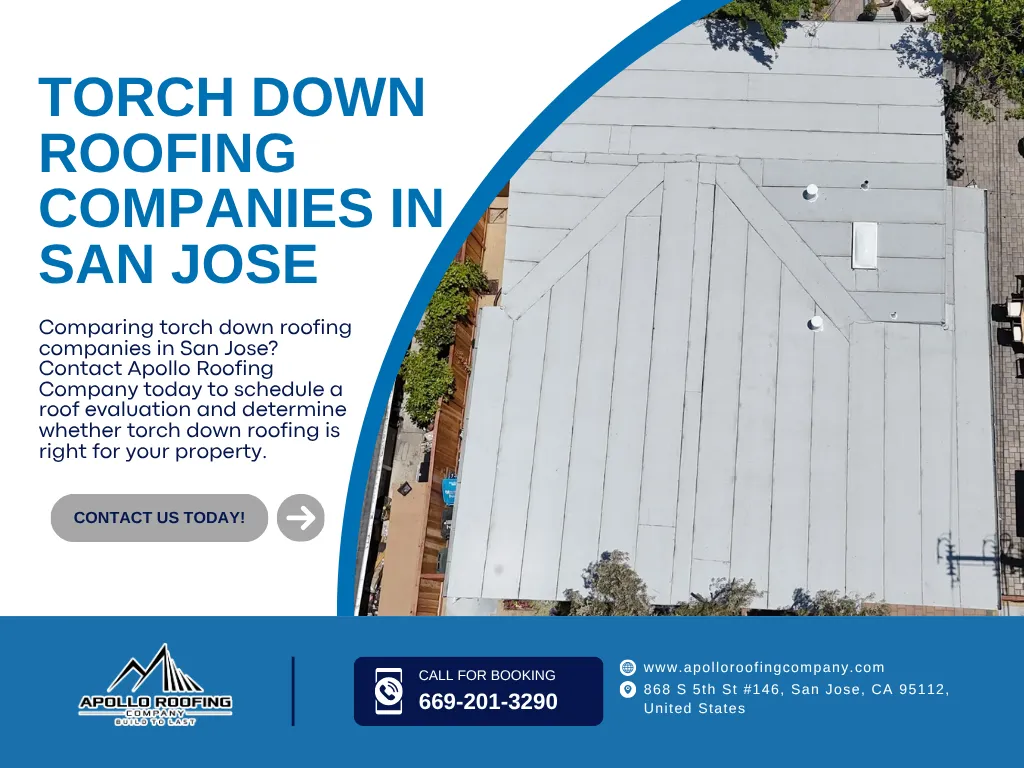
The Advantages of Torch Down Roofing
Torch down roofing offers several practical benefits, but its performance comes from the complete system rather than one individual material. Proper preparation, membrane placement, flashing, drainage, and installation all contribute to how effectively the finished roof protects the home.
Durable
A roof experiences more stress than simply rain. It is continuously exposed to sunlight, temperature changes, wind, debris, and movement within the building itself.
Modified bitumen roofing is designed to provide a tough protective surface capable of handling these everyday conditions. That durability can be particularly useful on flat and low-slope roofs, where water and debris may remain on the surface longer than they would on a steep roof.
Durability still depends heavily on installation quality. Seams, edges, penetrations, flashing details, and drainage areas require careful workmanship. A strong membrane cannot compensate indefinitely for poorly executed details, which is why contractor experience matters.
Waterproof
Water management is one of the biggest priorities on any low-slope roof. On a steep roof, gravity moves rainwater downward relatively quickly. A flatter surface gives water more time to find weaknesses around seams, penetrations, drains, or flashing.
Torch down systems address this challenge by bonding membrane layers together to form a continuous protective surface. Properly installed seams help limit pathways where moisture could enter.
This does not mean homeowners can ignore drainage. Standing water should still be investigated, and drains or other drainage components need to remain functional. Waterproofing works best when the roof is designed to control both water entry and water movement.
Flexible
Buildings naturally move as temperatures and environmental conditions change. Roofing materials must accommodate some of that movement without immediately losing their protective qualities.
Modified bitumen provides useful flexibility, allowing the membrane to respond to normal expansion and contraction. This characteristic can be particularly valuable around transitions and other areas where rigid materials could experience additional stress.
Flexibility also makes the system suitable for many roof configurations. However, suitability should always be determined by the actual roof. A professional assessment can identify slope, drainage, penetrations, existing materials, and substrate conditions before a system is recommended.
Low Maintenance
Torch down roofing can have relatively straightforward maintenance requirements, but “low maintenance” should not be confused with “no maintenance.”
Periodic roof inspections remain valuable. Homeowners should pay attention to drainage areas, penetrations, seams, flashing, and locations where debris tends to collect. After unusual weather or nearby construction activity, checking the roof can help identify problems before they become more extensive.
Preventive attention is especially important on low-slope systems because a small issue may not immediately become visible inside the house. Catching deterioration early can make repairs more manageable and help protect the surrounding roof assembly.
Torch Down Roofing vs. Other Roofing Materials
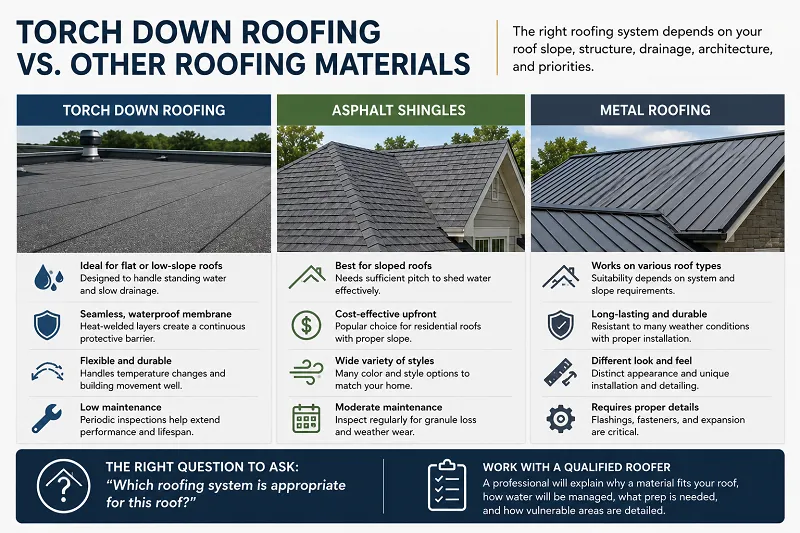
No roofing material is the best choice for every home. The right comparison starts with roof slope, structural conditions, drainage, architecture, and the homeowner’s priorities.
Asphalt shingles are widely used on sloped residential roofs, but they depend on sufficient pitch to shed water effectively. They generally are not the direct equivalent of a membrane system designed for low-slope applications.
Metal roofing can work across various roof configurations depending on the specific system and slope requirements. It offers a different appearance, installation method, and set of detailing considerations. Comparing metal directly with modified bitumen therefore requires looking beyond durability alone.
For homeowners, the more useful question is not, “Which roofing material is best?” It is, “Which roofing system is appropriate for this roof?”
A qualified roofer should be able to explain why a material fits the home’s slope and conditions, how water will be managed, what preparation is necessary, and how vulnerable areas will be detailed.
Understanding the Torch Down Installation Process
Installation quality plays a major role in the performance of this roofing system.
Before membrane installation begins, the roof surface must be evaluated and properly prepared. Existing damage, unsuitable materials, deteriorated decking, drainage problems, and other concerns may need attention first.
The membrane is then positioned and installed according to the requirements of the roofing system. Heat is used in a controlled manner to bond appropriate surfaces. Seams, perimeter areas, penetrations, and flashing require particular attention because these locations can become vulnerable when installation is incomplete.
The use of an open flame also introduces serious safety considerations. Torch application should never be treated casually, particularly around combustible materials or complicated building details. Experienced professionals need to follow appropriate installation and fire-safety practices throughout the project.
That is one reason contractor selection deserves as much consideration as material selection.
Factors to Consider When Choosing a Torch Down Roofing Company in San Jose
Start by looking for relevant experience. A contractor who regularly works with low-slope and modified bitumen systems should understand that these projects require different techniques than installing shingles on a conventional pitched roof.
Ask how the contractor evaluates drainage, roof penetrations, flashing, substrate conditions, and existing roofing materials. Their answers can tell you considerably more than a broad claim about years in business.
Licensing and insurance also deserve verification. Homeowners should confirm current information through appropriate sources rather than relying only on advertising statements.
The written proposal matters too. It should clearly identify the planned scope, roofing system, preparation, removal when necessary, warranties, cleanup, and procedures for handling unforeseen conditions.
Price should be considered within that complete picture. A lower proposal may represent good value, but homeowners need to know whether competing proposals actually include comparable work.
How to Find Reliable Torch Down Roofing Companies in San Jose
Begin with research, but do not stop at star ratings. Customer reviews can provide useful clues about communication, scheduling, cleanup, workmanship, and how a contractor responds when a project becomes complicated.
Recommendations from neighbors or other property owners can also help, particularly when their homes have similar low-slope roofing systems.
Once you identify potential contractors, speak with more than one company. Comparing proposals can reveal differences in materials, preparation, warranties, and installation approaches that may not be obvious during an initial conversation.
During consultations, ask specific questions. How will the existing roof be evaluated? What happens if damaged decking is discovered? How are penetrations and edges handled? Who supervises the installation? What safety procedures are used during torch application?
The quality of the answers matters. A knowledgeable contractor should be able to explain the work in understandable language without avoiding reasonable questions.
Signs Your Existing Low-Slope Roof Needs Professional Attention
Roof problems do not always begin with water dripping from a ceiling. In many cases, visible interior leakage appears after moisture has already affected other components.
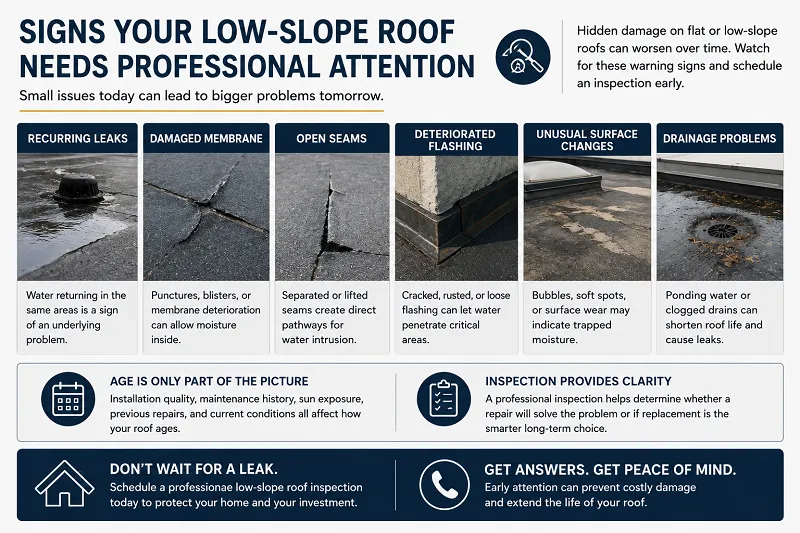
Homeowners should arrange an inspection if they notice recurring leaks, damaged membrane areas, open seams, deteriorated flashing, unusual surface changes, or persistent drainage problems. Interior staining or unexplained moisture should also be investigated.
Age is another consideration, but it should not be used alone to determine whether replacement is necessary. Installation quality, maintenance history, sun exposure, previous repairs, and existing conditions can influence how a roof ages.
An inspection can help determine whether a localized repair is reasonable or whether broader deterioration makes replacement worth discussing.
FAQs About Torch Down Roofing Companies in San Jose
How long can a torch down roof last?
The service life of a torch down system depends on the specific materials, number of layers, installation quality, roof conditions, drainage, exposure, and maintenance history. Rather than relying on a single lifespan estimate, homeowners should review manufacturer information for the proposed system and ask their contractor what maintenance and inspection practices can help protect it.
Is torch down roofing suitable for every San Jose home?
No. Torch down roofing is generally associated with flat and low-slope applications, so it may not be appropriate for every roof configuration. A contractor should evaluate slope, drainage, substrate conditions, penetrations, existing materials, and other building characteristics before recommending a system. The roofing method should fit the property rather than being selected simply because it is familiar.
Does torch down roofing require maintenance?
Yes, although maintenance needs can be relatively manageable. Periodic professional inspections can help identify seam concerns, flashing deterioration, drainage problems, punctures, or other developing conditions. Keeping drainage areas clear and addressing damage promptly can reduce the chance that a small issue develops into a more significant roofing problem.
Can an existing torch down roof be repaired instead of replaced?
Sometimes. Whether repair is practical depends on the location and extent of the damage, overall membrane condition, moisture intrusion, previous repairs, and age of the existing system. A localized problem may be repairable, while widespread deterioration can make replacement a more sensible discussion. A roof inspection provides the information needed to compare those options.
Trust Apollo Roofing Company: Your Choice Among Torch Down Roofing Companies in San Jose
A low-slope roof needs more than a durable membrane. It needs careful preparation, appropriate drainage, properly executed seams, detailed flashing, and an installation approach suited to the building.
That is why homeowners should evaluate the roofing system and the contractor together.
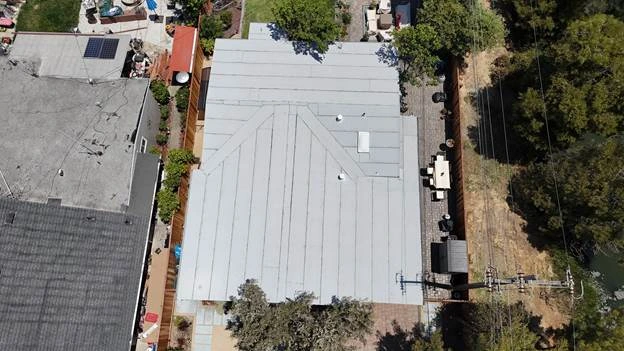
Apollo Roofing Company helps San Jose property owners assess their existing roofs and understand the options available for repair or replacement. The goal is to recommend work based on actual roof conditions rather than a one-size-fits-all solution.
If you are considering torch down roofing for your San Jose home, contact Apollo Roofing Company to schedule a professional roof evaluation. A closer look at your roof can help you understand its condition, identify potential concerns, and determine whether a modified bitumen system is the right approach for your property.
