

Choosing the right roofing material for flat roof designs is one of the most important decisions a property owner can make. Flat roofs require specialized materials that can handle water drainage, temperature changes, and long-term exposure to the elements. Unlike sloped roofs, flat systems rely heavily on durability and proper installation to perform effectively over time.
With several options available today, understanding the differences between materials is essential. This guide will walk you through the most common flat roofing solutions, how they compare, and what factors to consider when selecting the best option for your property.
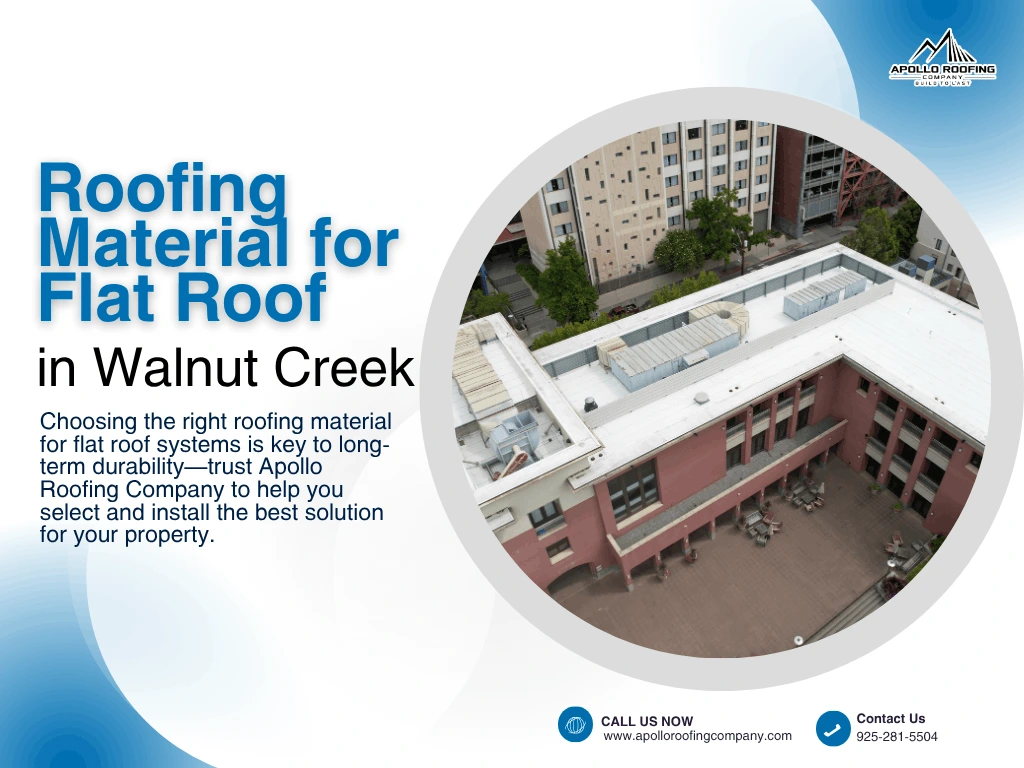
Understanding Flat Roof Systems
Flat roofs are not completely level, but they have a very low slope that allows water to drain slowly. Because of this design, materials used on flat roofs must be highly resistant to pooling water and weather-related wear.
The success of a flat roof depends not only on the material itself but also on how well it is installed. Proper sealing, insulation, and drainage all play a role in ensuring long-term performance. This is why selecting the right roofing material for flat roof applications is critical to avoiding leaks and premature deterioration.
Common Types of Flat Roofing Materials
There are several widely used materials designed specifically for flat roofs, each offering unique advantages depending on the property’s needs.
Built-up roofing, often referred to as BUR, is one of the oldest systems. It consists of multiple layers of bitumen and reinforcing fabrics, creating a thick and durable surface. This system is known for its strength and resistance to weather damage.
Modified bitumen roofing is an evolution of traditional BUR systems. It incorporates modern materials to improve flexibility and performance. This type of roofing is easier to install and provides reliable protection against temperature fluctuations.
Single-ply membranes, such as TPO and EPDM, have become increasingly popular. These materials are lightweight, energy-efficient, and resistant to UV damage. They are often preferred for their ease of installation and long lifespan.
PVC roofing is another option that offers excellent durability and resistance to chemicals and moisture. It is commonly used in commercial applications but is also suitable for residential flat roofs.
Each of these options plays a role in any flat roof materials comparison, helping property owners understand which solution aligns best with their needs.
Flat Roof Materials Comparison
When comparing flat roofing options, it is important to consider factors such as durability, cost, energy efficiency, and maintenance requirements. Some materials may offer lower upfront costs but require more frequent repairs, while others provide long-term value with minimal upkeep.
Single-ply membranes are often favored for their balance of affordability and performance. They provide strong resistance to weather and are relatively easy to maintain. Built-up roofing systems, on the other hand, offer exceptional durability but may involve more complex installation.
Energy efficiency is another key consideration. Reflective materials can help reduce heat absorption, lowering energy costs and improving indoor comfort. This makes certain options stand out among the best flat roofing systems available today.
Ultimately, the right choice depends on your property’s specific requirements, climate conditions, and budget.
Factors to Consider When Choosing Flat Roofing Materials
Selecting the right material involves more than just comparing options. Property owners should evaluate how each material performs under local weather conditions and how it fits their long-term goals.
Climate plays a significant role in determining the best material. Areas with high temperatures benefit from reflective roofing systems, while regions with frequent rainfall require materials that handle water effectively.
Durability is another important factor. A high-quality roof should withstand environmental stress and maintain its integrity for many years. Maintenance requirements should also be considered, as some materials require regular inspections and repairs.
Installation quality is equally important. Even the best materials can fail if they are not installed correctly. Choosing experienced professionals ensures that flat roof installation materials are applied properly and perform as intended.
Installation Process and Performance
The installation process for flat roofs varies depending on the material used. Some systems require layering and sealing, while others involve rolling out membranes and securing them with adhesives or fasteners.
Proper installation ensures that seams are sealed tightly and that the roof is protected against leaks. It also improves the overall performance of the roofing system, allowing it to withstand environmental stress and maintain its durability over time.
Performance is closely tied to both material quality and installation techniques. A well-installed roof not only protects the structure but also enhances energy efficiency and reduces maintenance needs.
Maintenance and Longevity
Flat roofs require regular maintenance to remain in good condition. Routine inspections help identify potential issues before they become major problems. Clearing debris, checking for standing water, and inspecting seams are all essential steps in maintaining a flat roof.
Different materials have varying lifespans. Some systems can last for decades with proper care, while others may require more frequent attention. Understanding these differences is an important part of choosing the right roofing material for flat roof applications.
Investing in quality materials and professional installation can significantly extend the lifespan of your roof, reducing the need for costly repairs.
Cost Considerations
Cost is often a deciding factor when selecting roofing materials. While it may be tempting to choose the least expensive option, it is important to consider long-term value.
Higher-quality materials may have a higher upfront cost but can save money over time by reducing maintenance and repair expenses. Energy-efficient options can also lower utility bills, providing additional savings.
A thorough flat roof materials comparison helps property owners weigh initial costs against long-term benefits, ensuring a smart investment.
Why Professional Guidance Matters
Choosing the right roofing system can be complex, especially with so many options available. Professional guidance ensures that all factors are considered, from material performance to installation requirements.
Experienced roofing contractors can assess your property, recommend suitable materials, and ensure proper installation. Their expertise helps prevent common issues and ensures that your roof performs reliably for years to come.
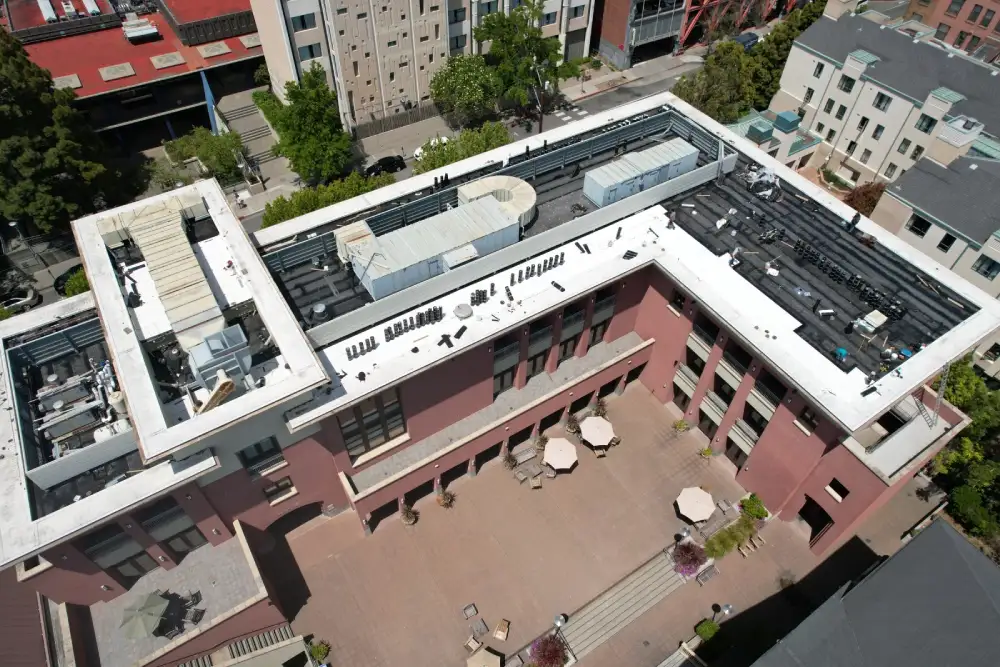
Get Expert Advice on Roofing Material for Flat Roof from Apollo Roofing Company
Choosing the right roofing system starts with understanding your options and working with experienced professionals. From evaluating materials to ensuring proper installation, every step plays a role in the success of your flat roof.
Apollo Roofing Company is here to guide you through the process with expert recommendations and reliable service. Whether you are planning a new installation or replacing an existing roof, our team is ready to help you make the best decision for your property.
Schedule a consultation today and discover the best solution for your flat roofing needs with Apollo Roofing Company.
FAQs About Roofing Material for Flat Roof
What is the most durable material for a flat roof?
Durability depends on the specific material and installation quality. Built-up roofing and PVC systems are known for their strength and long lifespan.
How long do flat roofs typically last?
Flat roofs can last anywhere from 15 to 30 years or more, depending on the material and maintenance.
Are flat roofs more prone to leaks?
Flat roofs can be more susceptible to leaks if not properly installed or maintained. High-quality materials and regular inspections help prevent issues.
Can I install a flat roof myself?
Professional installation is recommended to ensure proper sealing and performance. DIY installations often lead to problems over time.
