

Older homes often have a character that is difficult to recreate. Mature neighborhoods, established architecture, and details from another era can make these properties especially appealing. The roof, however, may tell a more complicated story.
A roof on an older house is not simply an aged version of a newer roofing system. Over the years, it may have been repaired, reroofed, altered, or exposed to decades of seasonal weather. Materials beneath the visible surface may also differ from what is commonly used today.
For Novato homeowners, understanding those differences can make a roof repair or replacement much easier to plan. A careful approach starts with learning what is actually happening beneath the shingles or other roofing material rather than making decisions based on appearance alone.

Older Roofs Often Have More History Than Homeowners Realize
A house that has been standing for several decades may have gone through more than one roofing project. Previous owners might have repaired isolated leaks, replaced sections, installed new materials, changed flashing, or added roof penetrations for vents and other equipment.
That history matters.
During an inspection, what looks like one roofing problem from the ground may turn out to involve several generations of work. Some sections may be newer than others. Flashing around a chimney could have been replaced while nearby underlayment remained untouched. Repairs made years apart may also use different materials or installation techniques.
This is one reason old home roofing in Novato deserves a thorough evaluation before major work begins. Knowing the condition of the entire system helps homeowners avoid treating a symptom while overlooking the underlying problem.
The Roof Deck Deserves Just as Much Attention as the Surface
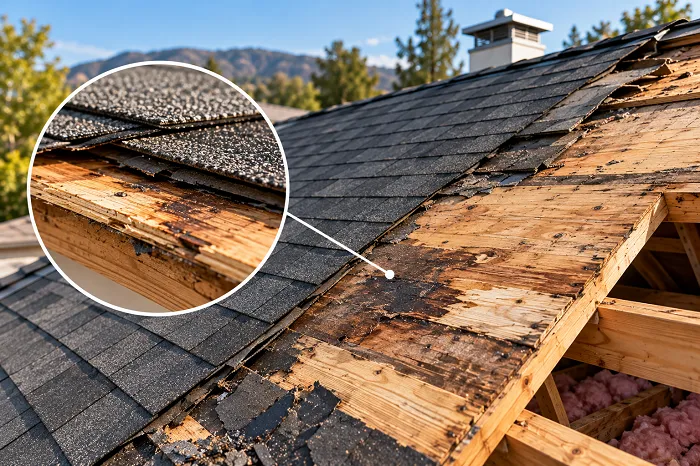
Shingles, tiles, and other exterior materials receive most of the attention because they are visible. The roof deck underneath them is just as important.
On an older property, decking may show signs of previous moisture exposure, deterioration, uneven areas, or repairs from earlier roofing work. These issues are not always visible until existing materials are removed.
A roof replacement can therefore uncover conditions that were impossible to confirm during an exterior inspection. That does not automatically mean the home has a serious structural problem. It simply means the roofing contractor needs to evaluate what is uncovered and determine whether portions of the deck require repair before the new system is installed.
Installing new roofing over a weak or damaged foundation can shorten the life of the finished system. Addressing the deck first creates a stronger base for everything above it.
Flashing Can Reveal Where an Older Roof Is Most Vulnerable
Many roof leaks develop around transitions rather than across large, uninterrupted roof surfaces.
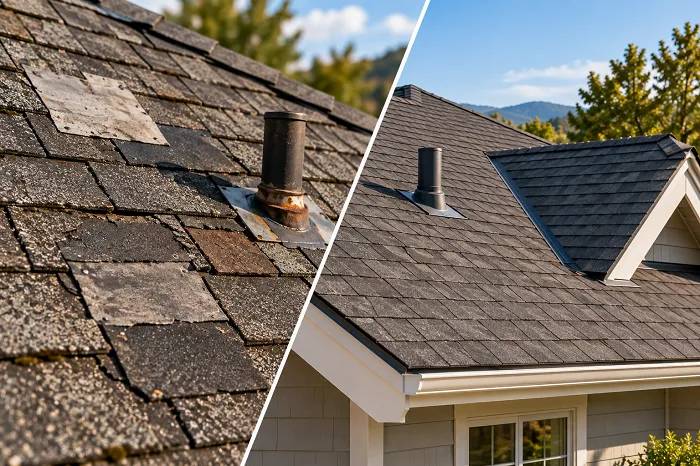
Chimneys, skylights, valleys, walls, plumbing vents, and roof-to-wall connections all require careful water management. Flashing helps guide rain away from these vulnerable locations.
Older flashing may be corroded, loose, patched repeatedly, or installed according to practices that differ from current roofing methods. Caulk may have been added over the years as a temporary solution. While sealants can play a role in some repairs, they should not be expected to compensate indefinitely for failing flashing.
When evaluating an older roof, these transition points deserve close attention. Correcting them during a larger roofing project can help create a more complete water-shedding system rather than leaving old weak points surrounded by new materials.
Ventilation Should Be Evaluated Along With the Roofing Materials
A roofing project is also an opportunity to look at how air moves through the attic.
Ventilation systems vary widely among older houses. Some homes may have limited intake ventilation, inadequate exhaust ventilation, or additions that changed the original airflow. Previous remodeling work can also affect how heat and moisture move through the attic.
Poor ventilation can contribute to excessive heat and moisture buildup. Over time, those conditions may affect roofing components and the comfort of the home.
A contractor evaluating roofing older houses in Novato should consider more than the material visible from the street. Looking at ventilation, attic conditions, roof penetrations, and the underlying structure helps create a clearer picture of the system as a whole.
Matching the New Roof to the Home Takes Thought
Performance comes first, but appearance still matters.
Older homes often have rooflines, exterior finishes, trim, and architectural details that contribute significantly to their character. Choosing roofing materials without considering those features can change the appearance of the property more than expected.
Color, texture, profile, and how the material interacts with siding or exterior paint can all influence the final result.
The goal does not have to be making an older house look new. In many cases, the better goal is giving the home dependable protection while selecting materials that feel appropriate for its architecture.
Homeowners who are planning other exterior improvements should consider those plans at the same time. Coordinating roofing with future painting, siding, solar, or other work can help avoid unnecessary changes later.
Previous Repairs Should Not Automatically Be Repeated
An older roof may contain patches that solved a problem years ago. That does not necessarily mean the same repair is still the best solution today.
Roofing materials age together, and the surrounding condition matters. A repair that made financial sense when most of the roof was in good condition may be less practical once deterioration becomes widespread.
This is why the decision between repair and replacement should consider the roof as a complete system. The location of the damage, age of the surrounding material, frequency of previous leaks, decking condition, flashing, and overall performance all contribute to the decision.
Good recommendations should be based on what the roof needs now, not simply what was done last time.
Planning Ahead Can Reduce Surprises
One of the smartest steps when dealing with old home roofing in Novato is allowing room in the project plan for conditions that may only become visible after work begins.
That does not mean homeowners should expect major problems. It means older construction deserves realistic planning.
Ask what the contractor will inspect before work starts, what could be discovered during tear-off, and how unexpected decking or flashing issues would be handled. Clear communication before the first roofing material comes off can make the entire process easier.
The same approach is valuable when roofing older houses in Novato because no two aging homes have exactly the same repair history. A detailed inspection helps move the conversation away from assumptions and toward the actual condition of the property.
FAQs About Roofing on Older Novato Homes
Does an older house automatically need a complete roof replacement?
No. The age of the house itself does not determine whether the roof needs replacement. A contractor should evaluate the roofing material, decking, flashing, ventilation, previous repairs, and signs of moisture intrusion. Some roofs may only require targeted repairs, while others may benefit from a complete replacement.
Can hidden damage be found after the old roofing materials are removed?
Yes. Some decking deterioration, old repairs, moisture damage, and installation issues cannot be fully seen during an exterior inspection. Removing the existing roofing material gives the contractor a clearer view of the roof deck and surrounding components, allowing damaged areas to be addressed before the new system is installed.
Should homeowners try to preserve the original appearance of an older roof?
It depends on the home and the homeowner’s goals. Many people want updated performance without losing the architectural character that makes the house distinctive. Roofing color, texture, profile, and surrounding exterior finishes can be considered together so the finished roof feels appropriate for the property.
What should I ask a roofer before replacing the roof on an older home?
Ask how the roof deck, flashing, attic ventilation, penetrations, previous repairs, and drainage areas will be evaluated. It is also helpful to discuss how unexpected conditions will be documented and handled if they are discovered after tear-off. Clear expectations can prevent confusion once construction begins.
Why is a detailed inspection especially important for an older property?
Older roofs may contain work completed by different contractors at different times using different materials and methods. A detailed inspection helps identify those variations and determine how well the entire system is performing today, rather than assuming every part of the roof is in the same condition.
Planning a Roof Upgrade? Explore Roofing for Older Homes in Novato with Apollo Roofing Company!
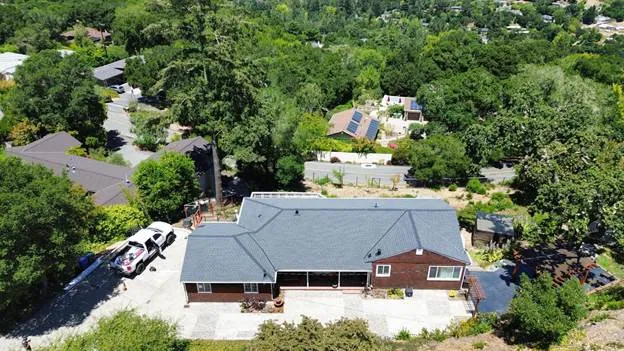
An older home deserves a roofing plan based on its actual condition, construction, and history. Apollo Roofing Company can evaluate the roof, identify areas that deserve attention, and help homeowners understand their options before moving forward. If your home is showing signs of aging, recurring leaks, worn materials, or previous repairs that are no longer holding up, schedule an inspection with Apollo Roofing Company and start with a clearer picture of what your roof needs.
