

Roofing projects in San Francisco involve more than selecting materials and hiring a contractor. Local regulations and permitting requirements play a major role in how roofing work is completed and approved. Understanding San Francisco roofing permits is essential for homeowners who want to protect their property and avoid unnecessary complications.
Roofing permits matter in San Francisco because the city maintains strict building standards designed to ensure structural safety and long-term durability. The complexity of local building codes can feel overwhelming, especially for homeowners unfamiliar with construction regulations. However, these rules exist to protect both homeowners and the long-term value of their property.
Working with a certified roofing company helps simplify this process. Experienced professionals understand how to navigate permitting requirements while ensuring your project meets every applicable standard.

Why Roofing Permits Are Required in San Francisco
Protecting Structural Integrity
Roofing permits are required to protect the structural integrity of homes and buildings. San Francisco’s dense urban environment, combined with its seismic activity, demands careful attention to construction standards. Permits ensure that roofing systems meet safety standards that prevent structural failure.
Permitting also helps prevent improper installations. When work is reviewed and inspected, it reduces the risk of shortcuts or substandard materials compromising the building. This level of oversight benefits homeowners by ensuring their investment is properly protected.
Compliance with Local Building Codes
San Francisco roofing permits are closely tied to compliance with local and state regulations. The San Francisco Department of Building Inspection enforces requirements that align with California state construction regulations. These codes address everything from material performance to installation methods.
Because regulations evolve over time, it is critical to work with a certified roofing company that stays updated on current standards. Compliance is not optional. It is a necessary part of any significant roofing project.
Insurance and Liability Protection
Permits also provide important insurance and liability protection. If roofing work is completed without proper authorization, homeowners may face denied insurance claims in the event of future damage. Insurance providers often require proof that work was performed legally and inspected as required.
Proper permitting reduces legal and financial risk. It demonstrates that the project was completed according to approved plans and standards, which can be crucial if disputes arise.
When Do You Need a Roofing Permit in San Francisco?
Full Roof Replacements
In most cases, full roof replacements require San Francisco roofing permits. Re roofing projects that involve structural changes or complete removal, and replacement of materials typically fall under permit requirements. This ensures that the new system complies with current building codes rather than outdated standards.
Major Roof Repairs
Major roof repairs often require permits as well. Decking replacement or significant structural modifications trigger regulatory oversight. If underlying structural components are being altered or reinforced, city approval is usually necessary.
Changes to Roof Structure or Materials
Switching roofing systems or altering materials can also require a permit. Adding skylights, modifying roof pitch, or making structural changes to support new materials typically involves review by the Department of Building Inspection. These changes can impact load distribution, fire resistance, and energy efficiency.
When a Permit May Not Be Required
Minor repairs and routine maintenance work may not require permits. Replacing a few shingles or addressing small leaks often falls outside permit thresholds. However, it is always wise to consult a certified roofing company to confirm whether your specific project requires approval. Assumptions can lead to costly mistakes.
Understanding San Francisco Roofing Regulations
Building Code Requirements
Building code requirements in San Francisco are detailed and specific. Fire rating standards are especially important due to California’s fire risk concerns. Roofing materials must meet designated classifications to enhance fire resistance.
Energy efficiency requirements also play a role. California’s energy codes influence material selection and insulation standards. Wind and seismic considerations are critical in this region. Roofing systems must be installed to withstand both strong winds and earthquake related movement.
Historic District and HOA Considerations
Historic district properties often require special approvals before roofing work can begin. Designated properties may face material restrictions intended to preserve architectural character. Homeowners associations may also impose additional requirements regarding appearance and materials.
Navigating these considerations requires experience and familiarity with local guidelines. A certified roofing company can help homeowners understand both city regulations and community restrictions.
Inspection Process and Approval
Once San Francisco roofing permits are approved, inspections are required during various phases of the project. Inspectors verify that work aligns with approved plans and code requirements. After the project is completed, a final approval process confirms compliance.
These inspections provide reassurance that the roofing system meets safety and performance standards.
The Roofing Permit Application Process
Preparing Required Documentation
The permit process begins with preparing required documentation. This includes detailed project scope information, material specifications, and contractor licensing information. Accurate documentation ensures the application moves smoothly through review.
Submitting to the Department of Building Inspection
Applications are submitted to the Department of Building Inspection for review. Timeline expectations vary depending on project complexity and city workload. During the application review process, officials may request clarifications or additional information.
Working with a certified roofing company helps streamline communication with city officials and reduces delays.
Scheduling Inspections
After approval, inspections must be scheduled at appropriate stages. Rough inspections may occur during structural work, while final inspections confirm project completion. Inspectors evaluate installation quality, material compliance, and overall safety.
What Happens If You Skip a Roofing Permit?
Skipping San Francisco roofing permits can result in serious consequences. Potential fines and penalties may be issued if unpermitted work is discovered. The city may issue stop work orders, halting the project until compliance is achieved.
Unpermitted roofing work can also create complications during home sales. Buyers and lenders often require documentation showing that work was properly permitted and inspected. Insurance claim issues may arise if damage occurs and the insurer determines the roof was not legally installed.
These risks highlight the importance of proper permitting from the beginning.
How a Licensed Roofing Contractor Simplifies the Process
A licensed and certified roofing company simplifies the permit process by handling applications on your behalf. Professionals ensure that all documentation is accurate and complete before submission.
They also ensure code compliance throughout the project, reducing the risk of failed inspections. Coordinating inspections and maintaining proper documentation are critical responsibilities that experienced contractors manage efficiently.
Choosing a certified roofing company means you have a knowledgeable partner guiding your project through every regulatory step.
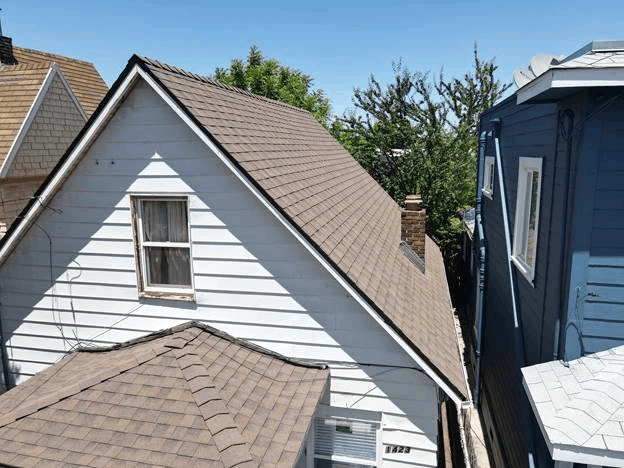
San Francisco Roofing Permits Made Simple with Apollo Roofing Company
Navigating San Francisco roofing permits does not have to be stressful. Apollo Roofing Company brings expert knowledge of local building codes and regulatory requirements to every project. As a certified roofing company, we handle the entire permit process from start to finish, ensuring accuracy, compliance, and timely approvals.
Our team provides transparent communication throughout the process so you always understand what to expect. With code compliant workmanship you can trust, your roofing project is completed safely and professionally.
Schedule your roofing consultation today and let Apollo Roofing Company make San Francisco roofing permits simple and straightforward for your next project.
FAQs About Roofing Permits in San Francisco
Do all roofing projects require a permit in San Francisco?
Not all projects require permits, but most full replacements and structural repairs do.
How long does it take to get a roofing permit approved?
Approval timelines vary depending on project scope and city workload.
Who is responsible for obtaining the roofing permit?
Typically, your licensed contractor handles the permit process.
Can I sell my home without proper roofing permits?
Unpermitted work can create complications during escrow and may delay or jeopardize a sale.
Are inspections required after roofing work is completed?
Yes, most permitted roofing projects require at least one inspection before final approval.
