

A new roof on a historic home should look like it belongs there. The best way to get that result is to check the home’s historic status with the City first, study the original roof closely, and then choose modern materials that match its shape, color and texture. Done in that order, historic home roof replacement in San Jose protects both the house and its character.
If you own an older home in a San Jose neighborhood like Willow Glen or Rose Garden, the roofline is a big part of its curb appeal. It also shapes how the whole street looks. This guide shows how to keep that look while getting the protection of a modern roofing system.

First, Find Out If Your Home Is a Listed Historic Resource
Before you choose a material, check whether your home is listed on the City of San José’s Historic Resources Inventory. This matters because it changes the permit steps.
- Planning comes first. The City says that for properties on the Historic Resources Inventory, a clearance or permit from the Planning Division is required before a reroof permit will be issued.
- Reroofing is usually a minor change. The City lists reroofing as a minor exterior modification that can go through an HP Permit Adjustment, which is handled by Planning staff without a public hearing.
- Like-for-like repairs are different. For City Landmarks and landmark districts, the City says ordinary repairs that replace worn parts in-kind, without changing the outside appearance, do not need an HP Permit.
You can read the details on the City’s permits for historic resources page. For general permit steps, see our guide to roofing permits in San Jose.
Read the Roof Before You Pick a Material
A historic roof tells you what it needs. Before tear-off, take photos from the street and from each side of the house. Then note these details:
- Roof shape: gables, hips, dormers and how the roof planes meet.
- Slope: steep and low-slope areas often need different materials.
- Edges and eaves: how far the roof overhangs, and whether rafter tails or decorative trim show.
- Ridge and hip details: the shape and color of caps along the top lines.
- Color and texture: how the roof reads from the sidewalk, not just up close.
These photos become your reference. They help you compare samples and make sure the finished roof keeps the same lines.
Historic Roofing Materials in San Jose and Their Modern Matches
The goal is not to copy an old product exactly. It is to choose a modern material that gives the same look with better protection underneath. Here is how the most common historic roofing materials in San Jose homes usually compare:
Clay or Concrete Tile
Spanish and Mediterranean style homes often have tile roofs. Tile can last a long time, but the layer underneath wears out. In many cases, sound tiles are carefully removed, a new underlayment goes down, and the tiles go back on, with matching tiles added where pieces are broken. Learn more about our tile roofing services.
Shingle-Style Roofs
Many Craftsman and Tudor style homes look best with a textured, layered roof. Architectural asphalt shingles come in profiles and colors that can echo the look of older roofs. Bring your photos when you compare samples. See our shingle roofing services for options.
When to Be Careful
Some modern products change a home’s look too much, such as a bold color or a very flat profile on a home built with texture. If your home is listed, ask the Planning Division early which choices fit before you commit. It also helps to view a large sample from the street, since a small chip held in your hand can look very different on the roof.
Details That Keep the Character
The material is only part of the job. Small details decide whether a new roof looks right on an old house.
- Protect the trim. Decorative fascia, brackets and exposed rafter tails should be protected during tear-off, not replaced by default.
- Keep the eave line. Thicker new layers can change how the roof edge looks. Plan the edge detail before work starts.
- Use proper flashing. Chimneys, dormers and wall joints need real metal flashing, not sealant alone.
- Place vents with care. Put new vents on less visible roof planes when the design allows.
- Match the ridge. Choose ridge and hip caps that fit the style of the main roof.
How a Historic Roof Replacement Usually Runs
Every home is different, but roof replacement for historic homes in San Jose usually follows this order:
- Roof inspection, with photos of existing materials and details.
- Historic status check and any Planning clearance needed.
- Building permit, once Planning has cleared the project.
- Careful tear-off, with trim protected and salvaged tiles stored safely.
- Deck repairs where wood is soft or damaged.
- New underlayment, flashing and roofing material.
- Final inspection and a walk-around to check the look from the street.
Older homes often hide deck or flashing problems until the old roof comes off. Our post on roofing for older homes in San Jose covers those hidden issues in more detail.
Frequently Asked Questions
Do I need special approval for historic home roof replacement in San Jose?
If your home is on the City’s Historic Resources Inventory, yes. The City requires a Planning clearance or permit before it issues the reroof permit. Reroofing usually goes through an HP Permit Adjustment handled by staff.
Can I keep my original clay tiles?
Often, yes. Sound tiles can be removed, stored and reinstalled over new underlayment. Broken tiles are replaced with the closest available match.
Will a new roof change how my historic home looks?
It should not, if you plan for it. Matching the roof shape, eave line, color and texture keeps the home’s character. Photos of the original roof help guide every choice.
Is a modern roof as durable on an older home?
A modern roof can add protection, mostly through new underlayment and flashing. The deck and structure still need to be checked, since older framing may need repairs first.
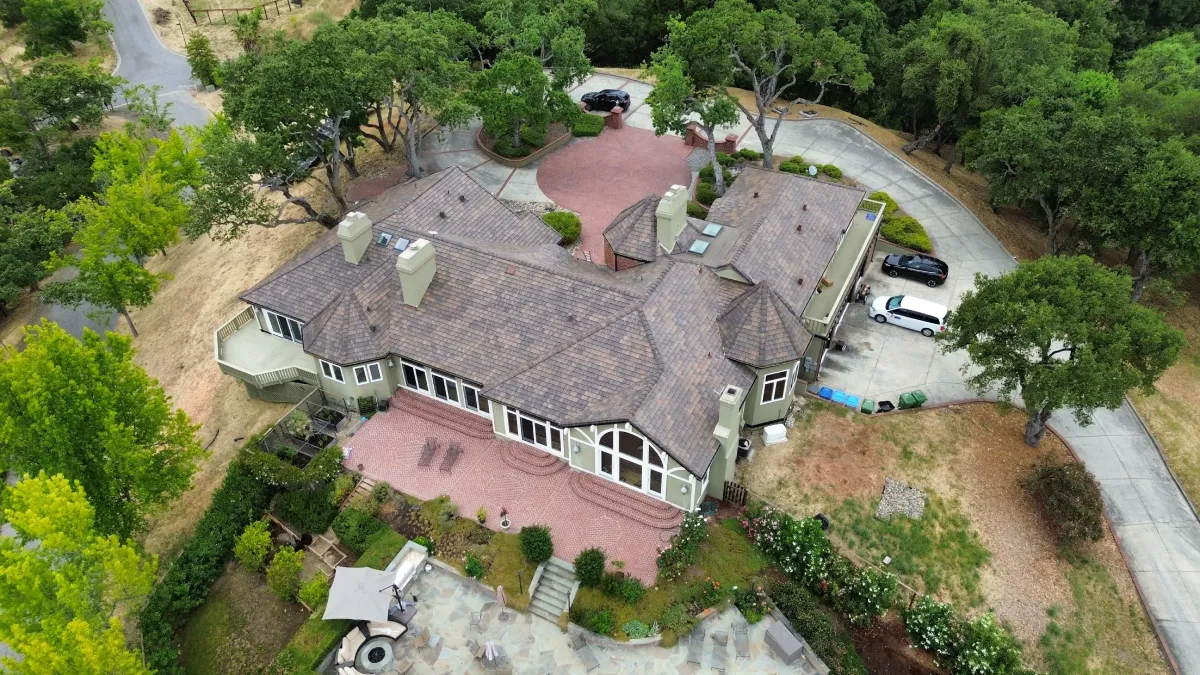
Protect Your Home’s Character With Apollo Roofing Company: Historic Home Roof Replacement in San Jose
Your historic home deserves a roof that fits its style and keeps it dry for years to come. With the right permits, careful planning and well-matched materials, you can have both. Apollo Roofing Company helps homeowners plan historic home roof replacement in San Jose with care for every detail. Visit our San Jose roofing page to schedule a roof inspection.
