

Many apartment buildings in Los Angeles sit under flat or low-slope roofs. When those roofs wear out, owners face two big questions: which roofing system should go on next, and how long will the work take?
For most buildings, a flat roof replacement in Los Angeles comes down to a choice between single-ply membranes such as TPO and PVC and multi-layer modified bitumen systems. The right pick depends on foot traffic, rooftop equipment, drainage, energy rules and budget. The work itself follows a set order: survey, proposal, permit, tear-off and deck repair, new insulation and membrane, flashing and drain details, then final inspection.
This guide explains each material, how to choose between them, and what happens at each step of the job timeline.
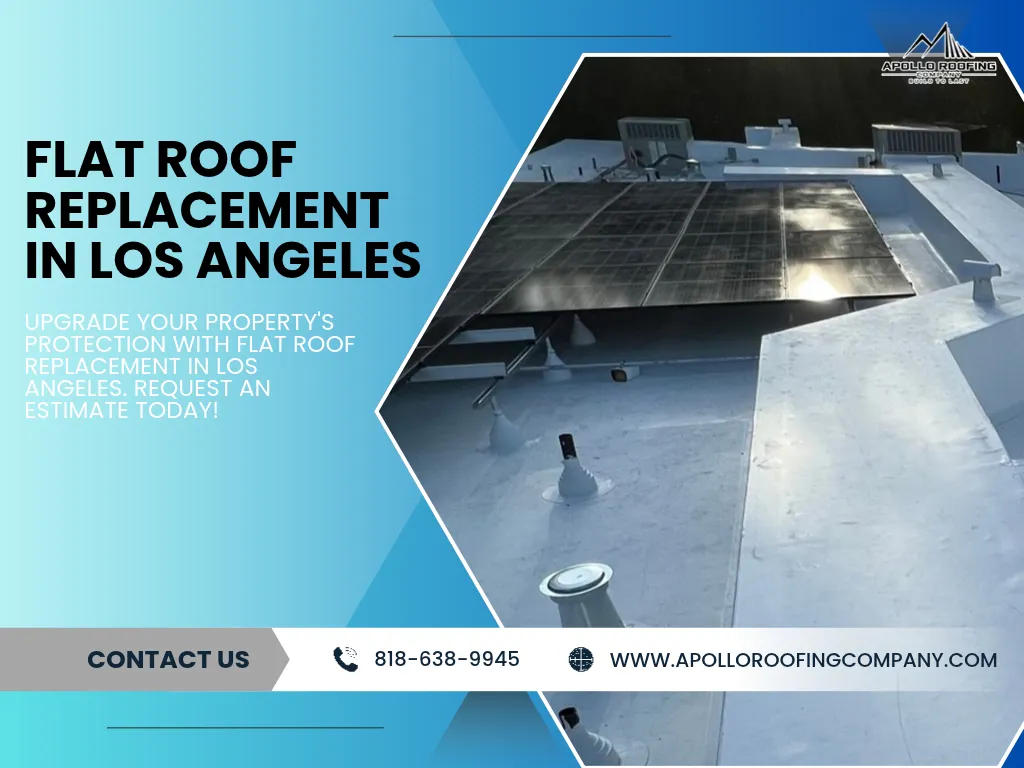
Flat Roofing Systems for Apartment Buildings
Flat roofs are not truly flat. They are built with a slight slope that moves water to drains or scuppers. The membrane on top is what keeps the building dry, and each type works a little differently.
TPO
TPO is a single-ply membrane that reflects sunlight and helps reduce rooftop heat, which suits Los Angeles sun. A properly installed and maintained TPO roof typically lasts 20 to 30 years.
PVC
PVC is another single-ply membrane option for low-slope roofs. A PVC roof can last up to 30 years with proper maintenance and care.
Modified Bitumen
Modified bitumen is an asphalt-based system installed in layers. Torch down roofing is one type, sealed with heat. It holds up well where people walk on the roof, and with proper installation and maintenance it can last 20 years or longer. We covered this material in depth in our post on modified bitumen roofing in Los Angeles.
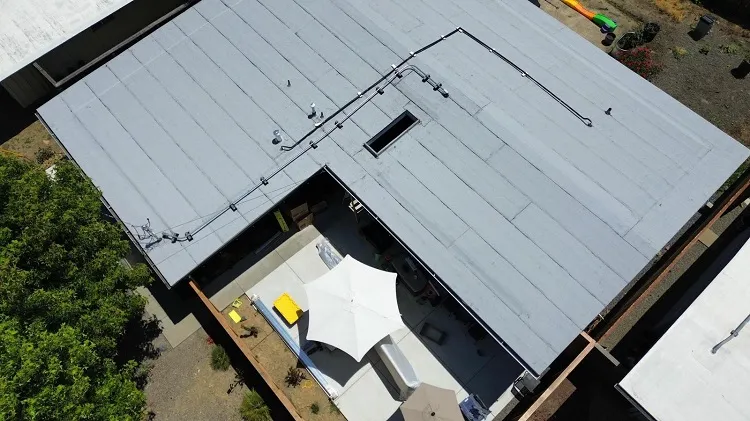
Roof Coatings
A coating is not a replacement. It is a protective layer applied over a roof that is still sound underneath. If the survey finds wet insulation or a damaged deck, a coating is usually the wrong choice and full replacement is the better path.
How to Choose the Right System for Your Building
No one material is right for every apartment roof. These questions help narrow the choice:
- How much foot traffic does the roof get? Frequent service visits favor a tougher surface or walkway pads.
- How much is on the roof? HVAC units, vents, skylights and solar racks all add penetrations that need careful flashing.
- Where does water sit? Ponding areas may need tapered insulation or added drains as part of the job.
- Do energy rules apply? Large replacements may need a rated cool roof product (see below).
- How many layers are there now? Old layers usually come off so the deck can be checked and repaired.
- How long will you own the building? Your plans can shape which system and warranty level make sense.
For background on flat roof replacement in general, including signs a roof is beyond repair, see our ultimate guide to flat roof replacement. You can also review the systems we install on our flat roofs page.
Apartment Flat Roof Replacement in Los Angeles and Cool Roof Rules
California’s Energy Code includes cool roof requirements for multifamily buildings. According to the California Energy Commission’s multifamily cool roof fact sheet, these rules apply to both low-rise and high-rise multifamily buildings with heated or cooled space. For alterations, they apply when more than 50 percent of the roof or 2,000 square feet, whichever is less, is replaced, recovered or recoated.
Products used to meet the rules must have ratings listed in the Cool Roof Rating Council’s directory. Some exceptions apply, such as roof areas covered by solar panels. Your roofing contractor should confirm which requirements apply to your building before materials are ordered.
The Flat Roof Replacement Timeline, Step by Step
Every building moves at its own pace, but the order of work stays the same.
- Roof survey. The roofer checks the deck, insulation, drains, flashing and equipment, and notes any moisture.
- Proposal and system choice. You review the recommended system, scope, warranty and schedule.
- The contractor pulls the permit and confirms any energy code paperwork.
- Scheduling and notice. Work is planned in sections, and tenants are told which areas are affected and when.
- Tear-off and deck repair. Old roofing is removed one section at a time, and damaged decking is replaced.
- Insulation and membrane. Insulation or cover board goes down, then the new membrane is installed and sealed.
- Flashing is built at walls, curbs, vents and drains. These are the spots that need the most care.
- Cleanup and final inspection. Debris is removed, the roof is inspected, and warranty paperwork is completed.
How long this takes depends on roof size, the system chosen, the number of sections, weather and how much deck repair is needed. Winter storms can bring heavy rain to Los Angeles, so many owners prefer to schedule tear-off during drier months. Ask for a written schedule that shows each phase.
Keeping Tenant Disruption Low
Working in sections keeps most of the roof covered and limits how many units feel the work at once. Residents should get written notice before work starts, reminders before each section, and one contact for questions or leak reports. For a deeper look at phasing and tenant communication, see our guide to multi-family roof replacement in Los Angeles on our previous blogs.
Frequently Asked Questions About Flat Roof Replacement in Los Angeles
How long does a flat roof replacement in Los Angeles take on an apartment building?
It depends on roof size, the roofing system, the number of phases, weather and deck repairs. Your contractor should give you a written schedule after the survey.
Can a new flat roof go over the old one?
In some cases, yes. An inspection is needed to confirm the existing roof and structure qualify for an overlay. Wet insulation or deck damage usually means a full tear-off.
How long do flat roofs last?
Most flat roofing systems last between 20 and 30 years with proper installation and routine maintenance. Regular inspections help catch drainage or membrane problems early.
Is TPO or modified bitumen better for an apartment building?
Both can work well. TPO offers a reflective surface that suits energy goals, while modified bitumen holds up well under foot traffic. The survey and your building’s needs should guide the choice.
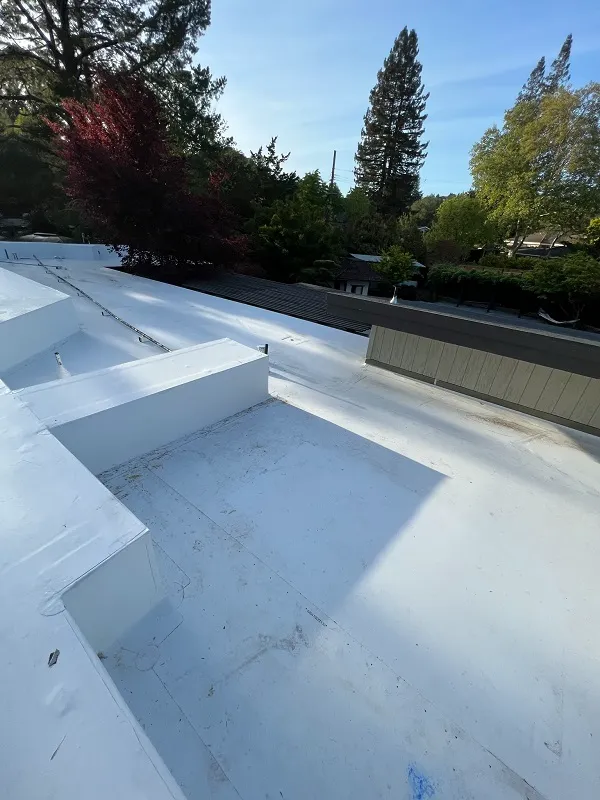
Replace Your Apartment Building’s Flat Roof With Apollo Roofing Company
The right flat roofing system and a clear, step-by-step timeline protect your building and your tenants for years to come.
Apollo Roofing Company installs TPO, PVC and modified bitumen systems and can survey your roof, explain your options and build a schedule that fits your property. If you are planning a flat roof replacement in Los Angeles, contact Apollo Roofing Company to schedule a flat roof survey.
