

A roof does more than keep rain out. It also plays an important role in how heat moves into and out of a home. When insulation is missing, outdated, compressed, or poorly installed, indoor temperatures can become harder to control, especially during hot afternoons or cooler winter nights.
For homeowners thinking about Roof Insulation in Walnut Creek, CA, the goal is not simply to add more material to the attic. Effective insulation works together with ventilation, roofing materials, air sealing, and the overall condition of the roof system. When these components are properly balanced, the home can stay more comfortable while using heating and cooling equipment more efficiently.
Understanding how insulation affects the roof and the living space below it can help homeowners make better decisions about repairs, upgrades, and future roofing projects.
Why Roof Insulation Matters in Walnut Creek
Walnut Creek experiences warm, dry summers with periods of intense heat, along with cooler conditions during the winter months. A roof receives direct sun for hours at a time, which can raise temperatures across the roof surface and in the attic below.
Without enough insulation, some of that heat can move into the conditioned areas of the home. Rooms on the upper floor may feel warmer than the rest of the house, and air conditioning systems may need to run longer to maintain a comfortable temperature.
During cooler weather, the process can work in reverse. Heat generated inside the home can escape into the attic and through the roof assembly.
Insulation helps slow this heat transfer. It acts as a thermal barrier between the living space and the roof, reducing the amount of unwanted heat moving in either direction.
How Insulation Influences Indoor Comfort
One of the most noticeable benefits of proper roof insulation is more consistent indoor temperature.
Homes with insulation problems may have rooms that feel significantly hotter or colder than others. Upstairs bedrooms may become uncomfortable in the afternoon. Hallways beneath attic spaces may feel warmer. Certain rooms may require additional fans or portable cooling even when the central system is running.
Improving insulation can reduce these temperature swings by limiting the amount of heat transferred through the ceiling and roof.
This does not mean insulation creates heating or cooling on its own. Instead, it helps the home hold onto the indoor temperature created by the HVAC system.
That distinction is important. A well-insulated home often feels more comfortable because cooled or heated air is not being lost as quickly through the building envelope.
The Connection Between the Attic and the Roof
The attic is one of the main places where roofing and insulation performance meet.
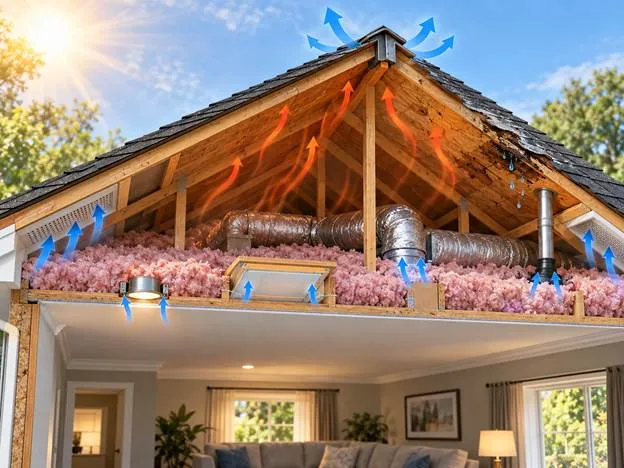
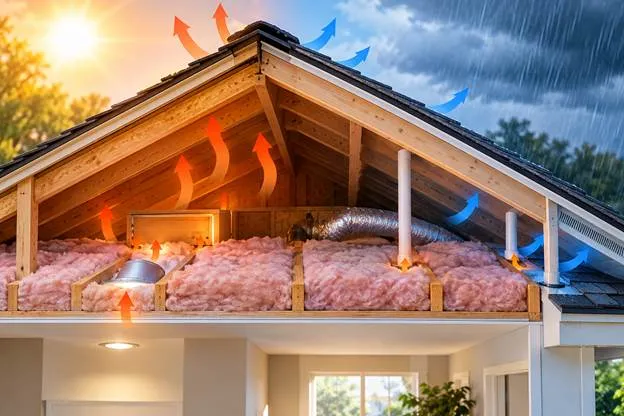
Hot air can accumulate in attic spaces, particularly during sunny weather. Proper insulation helps separate that heat from the living areas below, while ventilation helps move excess heat and moisture out of the attic.
This is why Attic Insulation in Walnut Creek, CA should be considered as part of a larger system rather than as an isolated home improvement.
Adding insulation without considering ventilation or air leaks may not address the full problem. For example, gaps around recessed lighting, attic access points, ductwork, or plumbing penetrations can allow conditioned air to escape even when the attic has plenty of insulation.
A roofing inspection can also reveal whether moisture intrusion, damaged roof decking, or ventilation problems are affecting the attic environment.
Insulation Can Affect Energy Use
Heating and cooling account for a significant portion of household energy use. When indoor temperatures change quickly because heat is moving through the roof and attic, the HVAC system may need to operate more frequently.
Insulation helps reduce that workload by slowing heat transfer.
During summer, it helps limit the amount of attic heat that reaches interior rooms. During winter, it helps reduce heat loss through the ceiling.
The result can be a home that reaches the desired temperature more easily and maintains it for longer periods.
Energy performance depends on many factors, including windows, doors, ductwork, HVAC efficiency, air sealing, and roofing materials. Insulation is only one part of the picture, but it can have a meaningful influence on how efficiently the building performs.
Roofing Materials and Insulation Work Together
The roofing material itself also affects how the building responds to heat.
Different roof coverings absorb and reflect solar energy differently. Roof color, material type, underlayment, ventilation, and roof orientation can all influence temperatures within the roofing assembly.
Insulation works beneath these components to reduce heat transfer into the home.
Homeowners interested in Energy Efficient Roofing in Walnut Creek, CA should therefore look beyond a single product or feature. A roof performs as a system, and its energy performance depends on how well the different parts work together.
A highly reflective roofing material may help reduce surface temperatures, but poor insulation can still allow significant heat transfer. Likewise, strong insulation may improve comfort, but inadequate ventilation can create other problems in the attic.
Signs Your Home May Have an Insulation Problem
Insulation issues are not always obvious from inside the home, but certain patterns can suggest that the attic or roof assembly deserves attention.
Rooms beneath the roof may be noticeably warmer than rooms on the lower level. Energy use may increase without a clear change in household habits. The HVAC system may seem to run constantly during hot weather. Indoor temperatures may also change quickly after the air conditioning or heating system shuts off.
In some homes, insulation may be present but no longer performing as intended. Older material can settle over time, leaving areas with reduced coverage. Moisture can also affect certain insulation materials, particularly when roof leaks or condensation problems have occurred.
A professional evaluation can help determine whether the problem is related to insulation, roofing, ventilation, air sealing, or a combination of factors.
Why More Insulation Is Not Always the Whole Answer
It may be tempting to assume that adding additional insulation will automatically improve comfort. In practice, the solution depends on the condition of the existing roof and attic.
If moisture is entering through the roof, insulation can become damp and lose effectiveness. If attic ventilation is restricted, excess heat or moisture may remain trapped. If air leaks exist between the living space and attic, conditioned air can continue escaping even after new insulation is added.
That is why insulation upgrades should begin with an understanding of the entire system.
Roof condition, flashing, ventilation openings, attic airflow, existing insulation depth, and signs of moisture should all be reviewed before making major changes.
Insulation During Roof Replacement
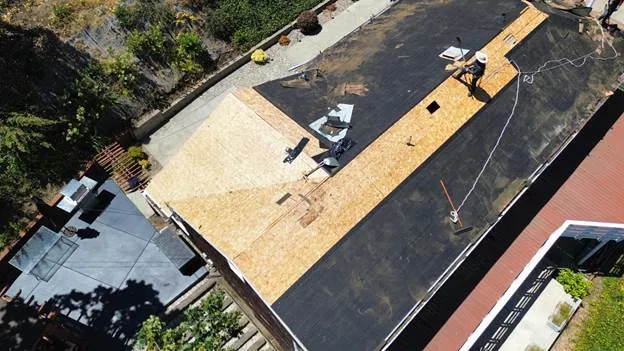
Roof replacement can be a useful time to evaluate insulation and ventilation because parts of the roofing system are already being inspected and upgraded.
Homeowners may discover that their insulation is uneven, insufficient, or affected by previous leaks. Ventilation components may also need attention, particularly if the existing roof has experienced excessive heat buildup or moisture problems.
Addressing these concerns during a roofing project can help the new roof perform more effectively as part of the home’s overall thermal system.
For homeowners considering Roof Insulation in Walnut Creek, CA, coordinating roofing and insulation decisions can provide a clearer picture of how the home manages heat throughout the year.
FAQs About Roof Insulation
How can I tell whether my roof insulation needs improvement?
Common signs include unusually warm upstairs rooms, uneven indoor temperatures, high heating or cooling use, and an HVAC system that seems to run for long periods. However, similar symptoms can also come from duct leaks, ventilation issues, or aging equipment. An attic and roof evaluation can help identify the actual source of the problem before improvements are made.
Does roof insulation help during Walnut Creek summers?
Yes. Insulation helps slow the movement of heat from the roof and attic into the living space below. During hot summer conditions, roofing materials and attic spaces can become significantly warmer than the indoor environment. Proper insulation creates a thermal barrier that helps reduce how quickly that heat reaches bedrooms, hallways, and other conditioned areas.
Can old insulation stop working effectively?
Insulation can become less effective if it settles, becomes compressed, develops gaps, or is exposed to moisture. Older homes may also have insulation levels that do not match current expectations for energy performance. An attic inspection can help determine whether the existing material still provides adequate coverage or whether certain sections need attention.
Should insulation be checked when replacing a roof?
It is often a good time to evaluate it. Roof replacement gives contractors an opportunity to identify ventilation concerns, previous moisture damage, and other conditions that may affect attic performance. Coordinating roofing improvements with insulation and airflow considerations can help the roof and building envelope work together more effectively.
How does insulation relate to attic ventilation?
Insulation and ventilation perform different but complementary jobs. Insulation slows heat transfer between the attic and living areas, while ventilation helps move excess heat and moisture out of the attic. Proper Attic Insulation in Walnut Creek, CA should be paired with appropriate airflow so that one component does not interfere with the performance of another.
Don’t Let Poor Insulation Compromise Your Comfort! Talk to Apollo Roofing Company About Roof Insulation in Walnut Creek, CA.
If parts of your home are difficult to keep comfortable, your roof and attic may be contributing to the problem. Apollo Roofing Company can evaluate roofing conditions, ventilation concerns, and other factors that may affect how heat moves through your home.
Whether you are planning a roof replacement, investigating uneven temperatures, or exploring Energy Efficient Roofing in Walnut Creek, CA, understanding the condition of the entire roof system is an important first step. Contact Apollo Roofing Company to discuss your roofing needs and determine what improvements may make sense for your Walnut Creek property.
