

Your roof is one of the most important systems protecting your home, yet it is often overlooked until a problem appears. By the time you notice a stain on the ceiling or a loose tile in the yard, damage may already be developing beneath the surface. A proactive approach makes all the difference. Scheduling a professional roof inspection Milpitas homeowners trust allows you to stay ahead of costly repairs and extend the life of your roofing system.
Milpitas homes face a unique combination of environmental stressors. Intense California sun, seasonal rain, shifting temperatures, and occasional wind events all contribute to roofing wear. Over time, even the most durable materials begin to show signs of aging. Without routine monitoring, minor vulnerabilities can quietly grow into significant structural issues.
Small problems rarely stay small when it comes to roofing. A cracked tile can expose underlayment. A tiny flashing gap can allow moisture intrusion. Clogged valleys can redirect water beneath shingles. What starts as a manageable repair can eventually affect decking, insulation, and interior finishes. That is why partnering with an experienced roofing company in Milpitas is an investment in prevention rather than reaction.

Common Roofing Problems Found in Milpitas Homes
Understanding the most common roofing issues in this area helps homeowners recognize early warning signs before they escalate.
Sun-damaged Shingles
Constant UV exposure gradually dries out asphalt shingles, causing them to lose flexibility. You may notice fading color, curling edges, or granules collecting in gutters. Once shingles become brittle, they are more susceptible to cracking and wind damage. Over time, this deterioration reduces the roof’s ability to protect your home effectively.
Cracked Concrete Tiles
Tile roofs are popular throughout Milpitas for their durability and aesthetic appeal. However, concrete and clay tiles can crack due to foot traffic, falling debris, or natural expansion and contraction. Even small fractures create pathways for water intrusion, especially during heavy rain.
Flashing Failures
Flashing protects the most vulnerable transitions on your roof, including areas around chimneys, vents, skylights, and valleys. Sealants can degrade with age, and metal flashing can corrode or shift. When flashing fails, leaks often follow. These leaks may not be immediately visible inside the home, making professional inspections essential.
Valley Deterioration
Roof valleys handle concentrated water flow during storms. Because they channel large amounts of runoff, they tend to wear faster than other roof sections. If valleys become damaged or clogged, water may back up under surrounding materials, leading to hidden structural damage.
Poor Attic Ventilation
Ventilation plays a major role in overall roof performance. Trapped heat accelerates shingle aging, while moisture buildup can lead to mold growth and wood rot. Inadequate ventilation often goes unnoticed until it affects energy efficiency or structural integrity.
Your Step-by-Step Roof Inspection Checklist
A comprehensive roof inspection evaluates both visible and hidden components. While some signs are easy to spot from the ground, a detailed assessment requires trained eyes.
Check Shingles and Tiles
Look for missing, cracked, curling, or displaced materials. Surface wear and granule loss may indicate that shingles are nearing the end of their lifespan. Tile roofs should be checked for fractures or shifting sections that expose the underlayment beneath.
Inspect Roof Valleys
Valleys should be free of debris and properly sealed. Accumulated leaves or broken materials can obstruct water flow, increasing the risk of leaks during heavy rain.
Examine Flashing and Sealants
Pay close attention to flashing around roof penetrations. Gaps, rust, lifted edges, or deteriorated sealants can allow moisture intrusion. Addressing flashing concerns early prevents more extensive damage later.
Look at Chimneys and Skylights
Chimneys and skylights create natural openings in the roofing system. Proper sealing is critical. Cracked masonry, damaged flashing, or compromised skylight seals should be evaluated promptly.
Inspect Gutters and Downspouts
Gutters should remain securely attached and free of clogs. Overflowing water can damage fascia boards and allow moisture to seep beneath roofing materials. Downspouts should direct water safely away from the home’s foundation.
Check Attic Ventilation and Insulation
Inside the attic, signs of moisture, mold odors, or insufficient airflow may indicate ventilation problems. Proper insulation supports energy efficiency and prevents condensation buildup that can damage roofing components.
Review Ceilings for Water Stains
Interior ceilings and walls provide clues about roof health. Stains, bubbling paint, or soft drywall often signal moisture infiltration from above. Even subtle discoloration warrants further investigation.
A professional roof inspection Milpitas residents schedule with a trusted roofing company in Milpitas includes a thorough review of all these areas, along with structural evaluation and documentation.
Warning Signs You Should Not Ignore
Certain symptoms demand immediate attention to prevent escalating damage.
Active Leaks
Visible dripping or damp areas inside the home indicate that water has already breached your roofing system. Prompt professional evaluation helps contain the issue before structural damage spreads.
Sagging Rooflines
A sagging roofline may signal compromised decking or structural supports. This condition requires urgent assessment to ensure safety and prevent further deterioration.
Granule Buildup in Gutters
Excessive granules in gutters suggest that shingles are deteriorating. As protective granules wear away, shingles lose their ability to shield against UV rays and moisture.
Increased Energy Bills
Unexpected increases in heating or cooling costs may stem from poor insulation or ventilation. Roofing issues often impact indoor comfort and efficiency.
Why Hiring a Milpitas Roofing Professional Matters
Choosing an experienced roofing company in Milpitas provides more than a basic inspection.
Liability and Safety
Roof work involves significant risk. Professional inspectors are trained in proper safety procedures and have the equipment needed to navigate roofs securely.
Thorough Documentation
Detailed inspection reports include photographs, condition assessments, and clear explanations. This documentation is valuable for maintenance planning, insurance claims, or real estate transactions.
Accurate Repair Recommendations
An experienced contractor can distinguish between minor repairs and larger concerns. Honest guidance helps homeowners make informed decisions without unnecessary upselling.
A reliable roof inspection Milpitas homeowners depend on is not just about identifying problems. It is about gaining clarity and confidence in your roof’s condition.
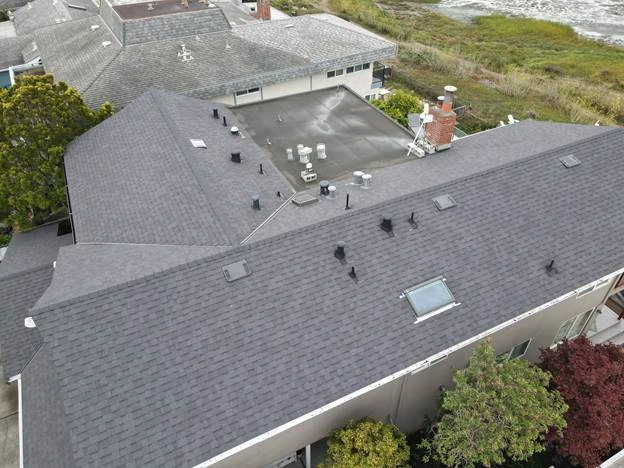
Get Peace of Mind With A Roof Inspection in Milpitas by Apollo Roofing Company
Apollo Roofing Company brings experience, local knowledge, and professionalism to every project. As a trusted roofing company in Milpitas, our team understands the specific challenges local roofs face. We provide detailed assessments, clear explanations, and practical solutions tailored to your home.
If you want confidence in your roof’s condition and protection against costly surprises, now is the time to act. Schedule your professional roof inspection Milpitas homeowners rely on with Apollo Roofing Company today. Call our team or book online to protect your home and ensure lasting performance for years to come.
Frequently Asked Questions About Roof Inspections in Milpitas
Do I need a roof inspection if I don’t see leaks?
Yes. Many roofing issues develop beneath the surface before visible signs appear. Preventative inspections help catch early damage.
How long does a typical roof inspection take?
Most residential inspections take between one and two hours, depending on roof size and complexity.
Can I perform my own roof inspection safely?
While homeowners can conduct visual checks from the ground, climbing onto a roof carries safety risks. Professional inspections are safer and more thorough.
What’s included in a professional inspection report?
Reports typically include photographs, condition summaries, and repair recommendations outlining next steps.
How often should older roofs be inspected?
Roofs over fifteen years old should be inspected annually to monitor aging materials and prevent unexpected failures.
