

Choosing a new roof is one of the biggest decisions a homeowner can make. A roof protects your home from the elements, impacts energy efficiency, affects curb appeal, and plays an important role in the overall value of your property. With so many roofing options available, homeowners often find themselves comparing durability, cost, maintenance, and long-term performance before making a final decision.
Two of the most popular choices are metal roofing and asphalt shingles. Both materials have unique advantages, and the right option depends on your home’s needs, budget, design preferences, and long-term goals. Understanding the differences between these roofing systems can help you make a more confident investment.
Apollo Roofing Company helps San Jose homeowners evaluate their roofing options with professional guidance and quality installation services. Whether you are replacing an aging roof or planning a future upgrade, understanding metal vs asphalt roofing can help you determine which solution best fits your property.
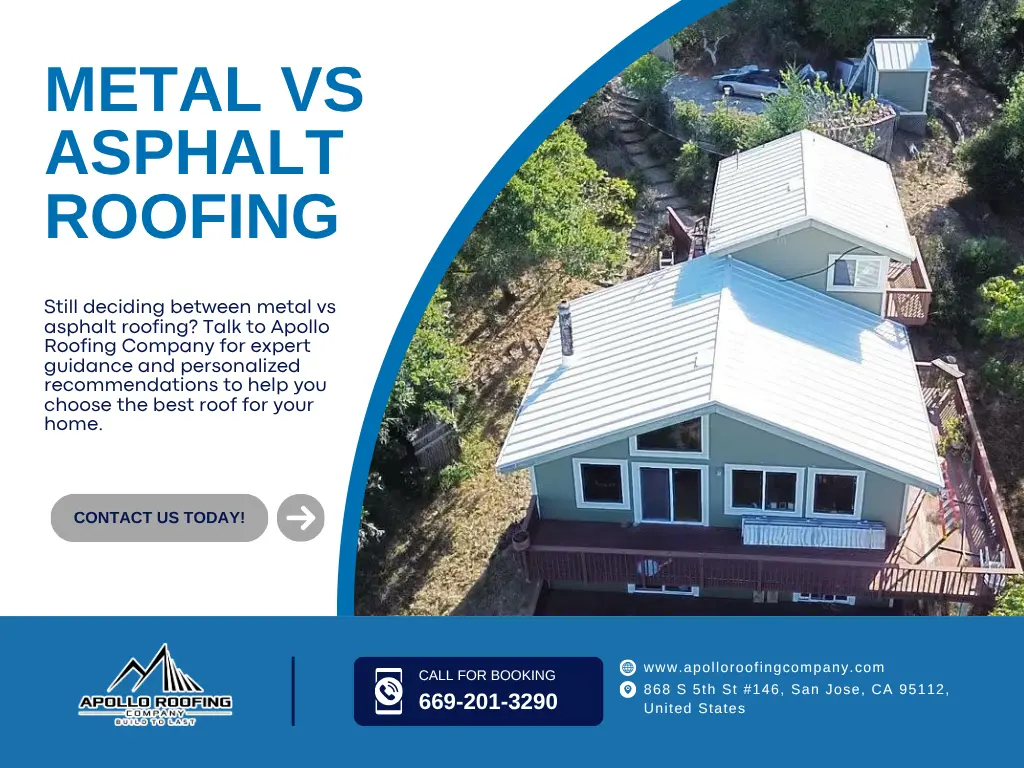
Understanding The Differences Between Metal Roofing And Asphalt Shingles
Metal roofing and asphalt shingles are designed to protect homes, but they approach that goal differently. Asphalt shingles have been a common roofing choice for decades because they are affordable, versatile, and available in many styles. They are often selected by homeowners who want a reliable roofing system with a lower initial investment.
Metal roofing, on the other hand, is recognized for its strength, longevity, and resistance to environmental conditions. Modern metal roofing systems are available in various designs that can complement both traditional and contemporary homes.
When considering metal roof vs asphalt shingles San Jose, homeowners should look beyond the upfront price. The lifespan, maintenance requirements, energy performance, and future replacement costs all play a role in determining the true value of each option.
Durability And Lifespan Considerations
One of the biggest differences between metal roofing and asphalt shingles is how long each material can last. Metal roofs are known for their exceptional durability and ability to withstand many common roofing challenges. When properly installed and maintained, a metal roof can provide reliable protection for several decades.
Asphalt shingles can also offer dependable performance, but their lifespan is generally shorter than metal roofing. Over time, exposure to sunlight, temperature changes, wind, and moisture can affect the condition of asphalt shingles. Regular inspections and maintenance can help extend their performance, but eventual replacement is expected.
For homeowners focused on long-term ownership, durability is often a major factor in the decision-making process. A roof that lasts longer may reduce the frequency of major replacement projects and provide greater peace of mind.
Comparing Maintenance Requirements
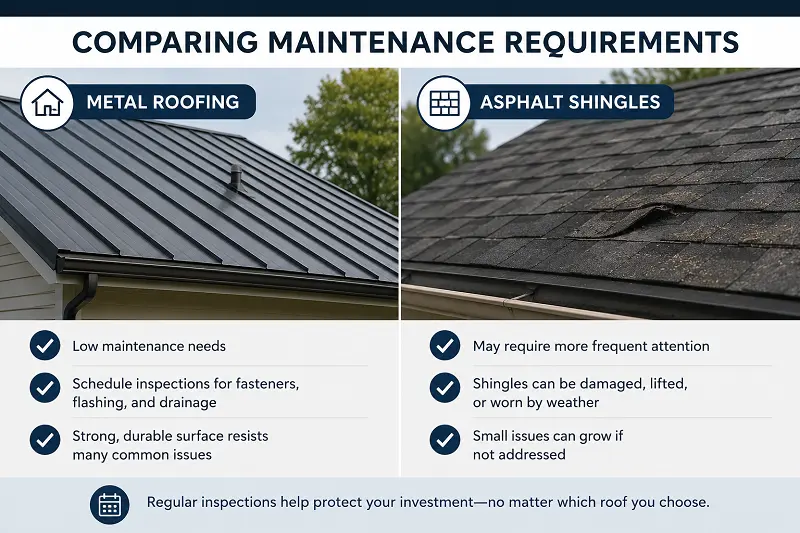
Every roofing system requires some level of care to perform properly. Regular inspections help identify potential problems before they become costly repairs, regardless of the material chosen.
Metal roofing is often appreciated for its low maintenance needs. Its strong surface can resist many issues that commonly affect other materials. However, homeowners should still schedule inspections to check for issues involving fasteners, flashing, drainage, and other components.
Asphalt shingles may require more frequent attention over time. Individual shingles can become damaged, lifted, or worn due to weather exposure. Small issues can often be repaired, but neglected damage may eventually affect the rest of the roofing system.
The amount of maintenance a homeowner prefers to handle can influence which material feels like the better fit.
Energy Efficiency And Home Comfort
Roofing materials can impact how a home manages heat throughout the year. This is especially important in areas like San Jose, where homes experience warm, sunny conditions during much of the year.
Metal roofing can help support energy efficiency when paired with reflective coatings and proper insulation. These features can reduce heat absorption and help maintain more comfortable indoor temperatures.
Asphalt shingles can also provide effective protection, especially when installed with proper ventilation and insulation. However, some homeowners choose metal roofing because of its ability to reflect more solar energy and provide long-term performance benefits.
For homeowners searching for the best roofing material for San Jose homes, energy performance should be considered alongside cost, appearance, and durability.
Cost And Long-Term Value
The initial investment is one of the most important considerations when selecting a roofing material. Asphalt shingles are often more budget-friendly upfront, making them an attractive choice for homeowners who need a practical roofing solution.
Metal roofing typically requires a higher initial investment due to material costs and installation requirements. However, its longer lifespan and reduced replacement frequency can make it a valuable option over time.
Homeowners should consider not only what they will spend today but also what they may spend in the future. A less expensive roof may require replacement sooner, while a higher-quality roofing system may provide decades of protection with proper care.
The best choice depends on each homeowner’s priorities. Some homeowners value lower upfront costs, while others prefer investing in a roofing system designed for long-term performance.
Appearance And Curb Appeal
A roof has a significant impact on a home’s overall appearance. Asphalt shingles remain popular because they are available in many colors and styles, allowing homeowners to match different architectural designs.
Metal roofing has also evolved significantly in appearance. Today’s options can replicate traditional roofing styles while providing the added benefits of metal construction. Homeowners can choose from different finishes and designs to create a look that enhances their property.
The right roofing material should complement the home while meeting practical needs. A beautiful roof that also performs well can improve both curb appeal and property value.
Weather Resistance And Performance
San Jose homeowners must consider how roofing materials perform under local weather conditions. Sun exposure, seasonal rainfall, and temperature changes can all affect roofing systems over time.
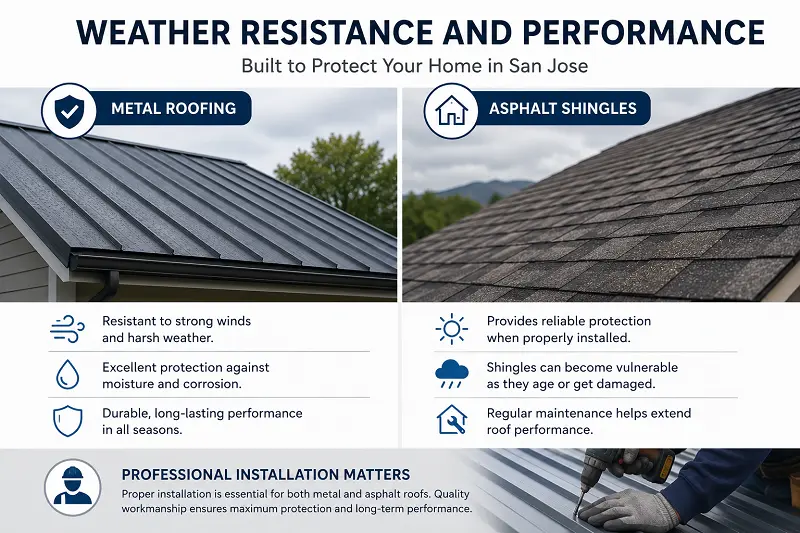
Metal roofing is known for its resistance to many environmental challenges, including strong winds and moisture exposure. Its durable construction makes it a popular option for homeowners seeking a dependable roofing solution.
Asphalt shingles also provide effective protection when properly installed and maintained. However, damaged or aging shingles may become more vulnerable to weather-related issues.
Professional installation is critical for both materials. Even the highest-quality roofing system may underperform if installation details are overlooked.
How Apollo Roofing Company Helps Homeowners Make The Right Choice
Selecting a roofing material can feel overwhelming, especially when comparing long-term costs, performance, and appearance. Apollo Roofing Company helps homeowners understand their options and choose solutions based on their specific needs.
The team provides professional roofing evaluations and installation services designed to support lasting results. Rather than focusing on one material for every home, Apollo Roofing Company considers factors such as property structure, homeowner goals, and expected roof performance.
A knowledgeable roofing contractor can help explain the advantages of each option and provide recommendations based on real project experience. This guidance allows homeowners to make informed decisions with confidence.
Common Mistakes Homeowners Make When Choosing Roofing Materials
One common mistake is focusing only on the initial cost without considering long-term value. While budget is important, homeowners should also evaluate lifespan, maintenance, and future replacement expenses.
Another mistake is choosing a roofing material without considering the home’s design, location, or environmental conditions. Every property has different needs, and the ideal roofing solution may vary from one home to another.
Homeowners should also avoid working with inexperienced installers. Proper installation is essential for protecting the investment and ensuring the roofing system performs as expected.
Frequently Asked Questions About Metal vs Asphalt Roofing
What factors should homeowners consider when comparing metal vs asphalt roofing?
When comparing metal vs asphalt roofing, homeowners should consider the upfront cost, expected lifespan, maintenance requirements, energy efficiency, appearance, and long-term value. The best choice depends on the homeowner’s priorities, budget, and how long they plan to remain in the property.
Is metal roofing better than asphalt shingles?
Metal roofing and asphalt shingles each offer different benefits. Metal roofing generally provides a longer lifespan and strong durability, while asphalt shingles often provide a more affordable upfront option. The better choice depends on the specific needs of the home and homeowner.
Which roofing option provides better long-term value?
Long-term value depends on factors such as installation quality, maintenance, and expected lifespan. Metal roofing may offer strong long-term value because of its durability, while asphalt shingles may appeal to homeowners seeking a lower initial investment with reliable performance.
How do I choose between metal roof vs asphalt shingles San Jose?
Choosing between these materials requires evaluating your home’s condition, budget, design preferences, and long-term goals. A professional roofing contractor can inspect your property and explain which option may provide the best balance of performance and value.
What is the best roofing material for San Jose homes?
The ideal roofing material depends on the homeowner’s needs and expectations. Factors such as weather exposure, energy efficiency goals, budget, and desired lifespan all influence the right choice. A roofing professional can help determine which material best supports your home.
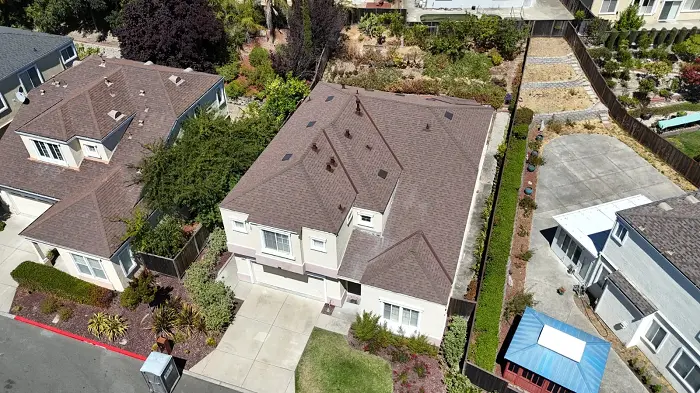
Not Sure About Metal vs Asphalt Roofing? Apollo Roofing Company Can Help You Find the Best Fit
Choosing the right roof is about more than selecting a material. It is about finding a solution that protects your home, fits your budget, and provides lasting value. Whether you are considering the durability of metal roofing or the affordability of asphalt shingles, the right guidance can make the decision easier.
Apollo Roofing Company helps San Jose homeowners compare roofing options and choose systems designed around their unique needs. Contact Apollo Roofing Company today to schedule a consultation and find the roofing solution that provides the protection and performance your home deserves.
