

Choosing the right roofing system for a commercial property is one of the most important decisions a building owner can make. A roof does more than protect the structure. It supports energy efficiency, impacts long term maintenance costs, and contributes to the overall performance of the building. With advancements in materials and installation methods, understanding commercial roofing types has become essential for making informed decisions in 2026.
Each roofing system comes with its own strengths and limitations. The key is knowing how these systems perform in real world conditions and which option aligns with your building’s needs. This guide explores the most widely used systems, their advantages, and what to consider before making your investment.
Understanding the Role of Commercial Roofing
Commercial roofing is designed to handle larger surface areas and more complex structural demands than residential roofing. These systems must withstand weather exposure, foot traffic, equipment loads, and temperature fluctuations.
Modern commercial roofing types are engineered to deliver durability and efficiency. They are often tailored to flat or low slope roofs, which require materials that can resist water pooling and provide consistent protection over time. The right system not only protects your property but also enhances its operational performance.
When evaluating different types of commercial roofing systems, it is important to consider factors such as climate, building use, budget, and long term maintenance expectations.
Built Up Roofing Systems
Built up roofing has been a trusted option for decades. It is constructed by layering asphalt and reinforcing fabrics to create a durable and waterproof surface. This system is often topped with gravel or a reflective coating for added protection.
One of the main advantages of built-up roofing is its proven reliability. The multiple layers provide excellent resistance against weather and physical damage. It also offers strong insulation benefits, which can help regulate indoor temperatures.
However, installation can be time consuming and may produce strong odors during the process. Maintenance is also necessary to ensure the layers remain intact over time. Despite these considerations, built up roofing remains a solid choice among commercial roofing types for long term performance.
Modified Bitumen Roofing
Modified bitumen is an evolution of built-up roofing. It incorporates advanced materials that improve flexibility and durability. This system is typically installed in layers and can be applied using heat, cold adhesives, or self-adhering sheets.
This roofing option performs well in varying temperatures, making it suitable for different climates. It is also resistant to tears and punctures, which adds to its durability.
On the downside, improper installation can lead to issues over time. It is important to work with experienced professionals to ensure the system is applied correctly. When installed properly, modified bitumen stands out among the best commercial roofing materials available today.
Single Ply Membrane Roofing
Single ply roofing systems have gained popularity due to their efficiency and ease of installation. These systems include materials such as TPO, PVC, and EPDM. They are lightweight and designed to provide strong protection with fewer layers.
TPO and PVC membranes are known for their reflective properties, which can improve energy efficiency by reducing heat absorption. EPDM, on the other hand, is valued for its flexibility and resistance to weathering.
Single ply systems are generally easier to install compared to traditional options. However, they may be more susceptible to punctures if not properly maintained. Regular inspections can help extend their lifespan and maintain performance.
Metal Roofing Systems
Metal roofing has become an increasingly popular option for commercial properties. It offers a modern appearance along with exceptional durability. Metal roofs are resistant to fire, wind, and impact, making them a strong choice for long term use.
One of the key benefits of metal roofing is its longevity. With proper maintenance, it can last several decades. It is also energy efficient, as reflective coatings can reduce heat absorption and lower cooling costs.
The initial cost of metal roofing can be higher than other systems. Installation also requires specialized skills. Despite these factors, many property owners consider metal roofing one of the best commercial roofing materials due to its performance and lifespan.
Spray Polyurethane Foam Roofing
Spray polyurethane foam roofing, often referred to as SPF, is a seamless system that is applied as a liquid and expands into a solid foam. This creates a continuous barrier that eliminates seams and reduces the risk of leaks.
SPF roofing provides excellent insulation, which can lead to significant energy savings. It is also lightweight and can be applied over existing roofing systems in some cases.
However, installation requires precision and favorable weather conditions. Improper application can affect performance. Regular maintenance and recoating are necessary to maintain its protective qualities. Even with these considerations, SPF remains a valuable option among commercial roofing types for energy efficiency.
Green Roofing Systems
Green roofing systems are designed to incorporate vegetation into the roofing structure. These systems provide environmental benefits and can improve insulation while reducing stormwater runoff.
A green roof can enhance the appearance of a building and contribute to sustainability goals. It also helps regulate indoor temperatures by providing natural insulation.
The complexity of installation and maintenance can be higher compared to traditional systems. Structural support is also an important consideration, as the added weight must be accounted for. For property owners focused on sustainability, green roofs represent an innovative approach within types of commercial roofing systems.
Choosing the Right Roofing System
Selecting the right roofing system involves more than comparing materials. It requires a clear understanding of your building’s needs and how each system performs under specific conditions.
Climate plays a major role in determining the best option. Buildings in areas with high heat may benefit from reflective materials, while those in regions with heavy rainfall need systems that handle water efficiently.
Budget is another important factor. While some systems have a higher upfront cost, they may offer long term savings through durability and reduced maintenance. Evaluating the total cost of ownership can help you make a more informed decision.
Consulting with experienced professionals is essential when choosing among types of commercial roofing systems. Their expertise can help you identify the best solution for your property and ensure proper installation.
The Importance of Professional Installation
Even the highest quality materials can fail if they are not installed correctly. Professional installation ensures that your roofing system performs as intended and meets all safety standards.
Experienced contractors understand the nuances of different systems and can address potential challenges during the installation process. They also ensure that all components are properly aligned and secured.
Working with a trusted company like Apollo Roofing Company provides peace of mind. Their team is equipped to handle a wide range of commercial roofing types and deliver results that stand the test of time.
Long Term Maintenance and Performance
Maintaining your commercial roof is essential for maximizing its lifespan and performance. Regular inspections can help identify issues early and prevent costly repairs.
Maintenance requirements vary depending on the roofing system. Some systems require periodic recoating, while others need routine cleaning and inspections. Staying proactive can help you protect your investment and ensure consistent performance.
Understanding the strengths and limitations of different systems allows you to plan for maintenance effectively. This ensures that your roof continues to perform at its best for years to come.
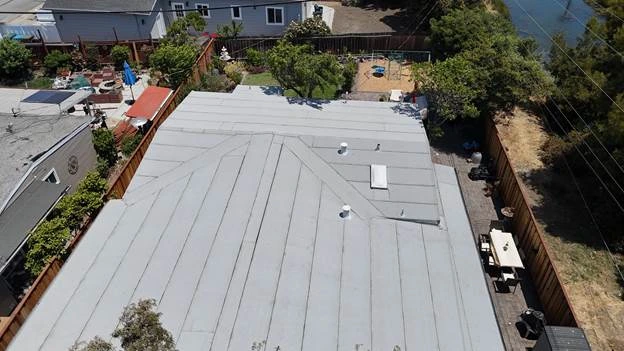
Explore the Best Commercial Roofing Types with Apollo Roofing Company Today
Choosing the right roofing system does not have to be overwhelming. With expert guidance, you can confidently select a solution that meets your needs and delivers lasting value. Apollo Roofing Company is here to help you evaluate your options, understand the benefits of each system, and ensure a smooth installation process. Contact our team today to explore the best solutions for your commercial property and take the next step toward a stronger, more reliable roof.
FAQs About Commercial Roofing Types
What are the most common commercial roofing options available today?
Commercial properties typically use systems such as built-up roofing, modified bitumen, single ply membranes like TPO or EPDM, metal roofing, and spray foam systems. Each option is designed to meet different performance needs. The right choice depends on factors like building structure, climate, and long-term maintenance expectations, making it important to evaluate each system carefully before deciding.
How long do commercial roofing systems typically last?
The lifespan of a commercial roof varies depending on the material and how well it is maintained. Some systems can last 20 years, while others may exceed 40 years with proper care. Regular inspections, timely repairs, and professional installation all contribute to extending the life of the roof and ensuring consistent performance over time.
Which roofing material is the most energy efficient?
Energy efficiency depends on the material and its reflective properties. Systems like TPO and PVC are known for reflecting sunlight, which helps reduce heat buildup and lowers cooling costs. Spray foam also offers excellent insulation by creating a seamless barrier. Choosing an energy efficient system can significantly impact long term operating expenses.
Is it possible to install a new roof over an existing one?
In some cases, a new roofing system can be installed over an existing one, depending on the condition of the current roof and local building codes. This approach can save time and reduce costs, but it requires a thorough inspection to ensure the structure can support the additional layer. Consulting a professional contractor is essential to determine if this option is suitable.
How do I choose the best roofing system for my building?
Selecting the right system involves evaluating your building’s needs, including its size, usage, and exposure to environmental conditions. Budget and long term goals also play a role. Working with experienced professionals can help you compare options and identify the best solution that balances performance, durability, and cost.
