

A larger home comes with more roof to protect, but square footage is only part of the equation when replacement becomes necessary. Roof shape, slope, accessibility, existing materials, ventilation, structural conditions, and the roofing system selected can all influence the scope of the project.
For homeowners considering roof replacement in San Jose, understanding these variables before requesting proposals can make planning considerably easier. Instead of focusing on a single price figure, it helps to understand what contractors evaluate and why two seemingly similar homes may require very different approaches.
Large roofs also make material decisions more consequential. A product that looks appealing on a small sample needs to work across a much broader surface while complementing the home’s architecture and meeting practical performance needs.

Why Large Homes Require More Detailed Roof Replacement Planning
Replacing a roof on a large residence is not simply a standard project multiplied by additional square footage. Larger properties frequently have more complicated rooflines, including intersecting sections, valleys, dormers, multiple slopes, skylights, chimneys, and other penetrations.
Every transition requires careful planning because water must move efficiently across the entire roofing system. Flashing details, drainage patterns, ventilation, and material transitions deserve close attention before installation begins.
Access also matters. Some homes have roof sections that are difficult to reach or areas where crews need additional staging and protection. Landscaping, neighboring structures, driveway access, and the location of material deliveries can influence how the project is organized.
A thoughtful contractor should evaluate these conditions before presenting a proposal. The more accurately the existing roof is assessed, the fewer assumptions homeowners need to make when reviewing the recommended scope.
What Influences the Cost of Replacing a Large Roof?
Homeowners naturally want to understand price early in the process. However, the roof replacement cost San Jose property owners encounter can vary because contractors are pricing more than the visible roofing surface.
Roof size remains a major factor because larger roofs require additional materials and labor. Complexity can have an equally meaningful effect. A broad roof with relatively simple planes may require a different amount of labor than a smaller roof containing numerous valleys, steep sections, penetrations, and architectural details.
Removal requirements should also be considered. The type and condition of the existing roofing system can affect tear-off work, disposal, and preparation.
Once old materials are removed, the condition of the roof deck becomes clearer. If deterioration or other problems are discovered, repairs may be necessary before new materials can be installed correctly.
The proposal should explain how these possibilities are addressed. Homeowners benefit from knowing which work is included and how additional conditions will be documented, priced, and approved if discovered.

Roof Size Is Only One Part of the Pricing Picture
A contractor needs accurate measurements, but surface area alone cannot describe the entire project.
Roof pitch can affect labor requirements and accessibility. Steeper areas may require different safety procedures and take longer to complete. Architectural complexity can increase the number of cuts, transitions, and detailed installation points throughout the roof.
The amount of flashing required also varies. Chimneys, walls, skylights, vents, valleys, and roof intersections may each require specific attention.
For a large home roof replacement in San Jose, these details become particularly important because small differences can repeat across a substantial roofing area. A project with numerous architectural features may involve considerably more detailed work than another property with comparable square footage.
Homeowners should therefore be cautious about estimates based primarily on the size of the house. An on-site assessment provides the contractor with a much better understanding of what the roof actually requires.
Asphalt Shingles Offer Versatility for Many Large Homes
Asphalt shingles remain a practical option for many residential properties because they are available in a wide range of profiles, colors, and performance levels.
For large homes, appearance deserves special consideration. The roof may represent a substantial portion of what people see from the street, particularly on homes with prominent rooflines. Shingle color and texture can influence how the home’s exterior feels as a whole.
Architectural shingles can provide additional visual dimension compared with simpler profiles. Product specifications and manufacturer requirements should also be reviewed so homeowners understand the system they are considering.
The roofing material should not be selected in isolation. Underlayment, flashing, ventilation, and installation methods work together with the shingles. Asking about the complete system provides more useful information than comparing shingle products alone.
Metal Roofing Can Provide a Distinctive Long-Term Option
Metal roofing can be appealing to homeowners looking for a different visual character and a durable roofing system.
On a large residence, metal can create a strong architectural presence. Profiles, finishes, panel configurations, and detailing can dramatically affect the finished appearance, so material selection should complement the home’s design rather than simply follow a trend.
Installation details are particularly important. Roof geometry, penetrations, flashing, drainage, and transitions all need to be considered when determining whether a particular metal system is suitable for the property.
Homeowners should discuss both the benefits and practical considerations with an experienced contractor. A material can perform well in the right application while being less appropriate for another roof configuration.
Tile Roofing Brings Weight and Structural Considerations
Tile can create a distinctive appearance that works particularly well with certain architectural styles common throughout California.
Its weight, however, makes structural evaluation important. Not every existing roof structure should automatically be assumed suitable for every tile system. Contractors need to consider the existing assembly and determine what evaluation or preparation may be appropriate.
Individual tile profiles can also affect the finished character of a large home. Color, shape, texture, and roof geometry should work together rather than compete visually.
Homeowners interested in tile should discuss structural considerations, underlayment, flashing, installation requirements, and maintenance expectations before choosing a specific product.
The goal is not simply to select a material that looks attractive. It is to select a complete roofing system appropriate for the house.
Material Choice Should Match the Home, Not Just the Budget
Budget matters, but it should not be the only filter used to select roofing materials.
Consider the home’s architectural style, roof pitch, structural characteristics, desired appearance, and long-term ownership plans. A material that makes sense for one property may offer little advantage on another.
Maintenance expectations deserve consideration as well. Homeowners should understand how different systems age, what inspections may be recommended, and what manufacturer requirements apply.
When evaluating roof replacement costs in San Jose, it is useful to ask what is included in each material option. Comparing only the visible roofing product can overlook differences in preparation, accessories, flashing, underlayment, ventilation, and installation.
A clear proposal should help connect material choices with the requirements of the actual home.

Ventilation and Flashing Deserve Just as Much Attention
Roofing materials often receive most of the attention because homeowners can see them. Some of the most important components, however, are less noticeable.
Ventilation helps the roofing assembly function as intended. Existing intake and exhaust conditions should be evaluated when planning a replacement rather than automatically assuming the current configuration should remain unchanged.
Flashing protects vulnerable transitions around roof penetrations, walls, chimneys, valleys, and other intersections. These areas require careful detailing regardless of which primary roofing material is selected.
For a large roof, there may be many such locations. Homeowners should ask how these components will be handled instead of focusing exclusively on shingles, panels, or tiles.
Compare Proposals Based on Scope and Value
A larger roofing project can generate proposals with noticeably different totals. Before assuming one contractor is expensive or another is inexpensive, determine whether they are proposing the same work.
Review material specifications, removal, disposal, decking provisions, flashing, ventilation, permits when applicable, cleanup, warranties, and procedures for unexpected repairs.
A vague proposal makes meaningful comparison difficult.
For a large home roof replacement in San Jose, clarity becomes even more valuable because the scale of the project can magnify differences in materials and scope. Ask contractors to explain unclear language before signing.
The strongest proposal is not automatically the cheapest or most expensive. It is the one that gives the homeowner a clear understanding of the work and why that work is appropriate.
Plan for the Property Around the Roof
A large roofing project affects more than the roof itself while work is underway.
Contractors need appropriate access for crews, equipment, debris removal, and material delivery. Homeowners may need to prepare driveways, patios, landscaping areas, or other spaces around the property.
Discuss property protection before the project starts. Ask where materials will be staged, how debris will be controlled, and what cleanup procedures are included.
Communication is equally important. Homeowners should know whom to contact with questions and how updates will be provided if weather or unforeseen conditions affect the schedule.
Good planning can make a substantial project feel far more manageable.
Frequently Asked Questions About Roof Replacement San Jose
How long can replacement take on a large San Jose home?
Project duration depends on roof size, complexity, material choice, weather, accessibility, preparation requirements, inspections, and conditions discovered after existing materials are removed. A large roof with multiple slopes and architectural details can require more time than a simpler roof of comparable size. Apollo Roofing Company can evaluate the property and discuss a more project-specific schedule before work begins.
How do I know when my roof should be replaced instead of repaired?
The answer depends on the roof’s age, material, overall condition, extent of damage, history of repairs, and whether problems are isolated or widespread. A professional inspection can help determine whether targeted repairs remain reasonable or whether replacement offers a more appropriate solution. Homeowners should base the decision on the condition of the complete roofing system rather than one visible problem.
Which roofing material is best for a large home in San Jose?
There is no single material that is automatically best for every large property. Asphalt shingles, metal, and tile can each have advantages depending on architecture, structural conditions, roof geometry, appearance preferences, maintenance expectations, and other project requirements. A contractor should evaluate the house first and explain which options make practical sense for that specific roof.
What should a roof replacement proposal include?
A useful proposal should identify the proposed materials, scope of removal and installation, important roofing components, cleanup responsibilities, warranty information, payment terms, exclusions, and procedures for additional work. It should give homeowners enough detail to understand what is being installed and what circumstances could change the original scope after work begins.
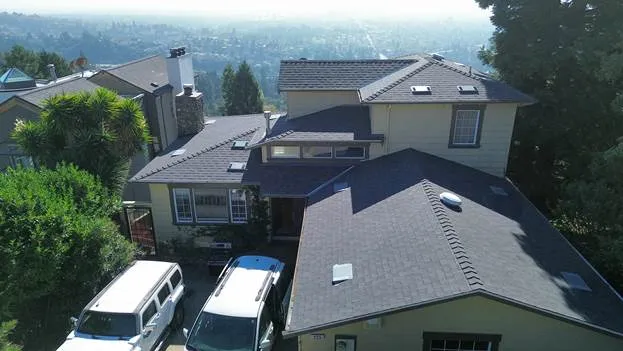
Need More Space to Cover? Trust Apollo Roofing Company for Roof Replacement San Jose
A large roof deserves planning that considers more than square footage. Material selection, architectural complexity, ventilation, flashing, existing conditions, access, and workmanship all contribute to the finished roofing system.
Apollo Roofing Company helps homeowners evaluate these details before construction begins. If you are considering roof replacement in San Jose, contact Apollo Roofing Company to schedule an evaluation and discuss material options that fit your home, priorities, and roofing needs.
