

San Rafael’s Mediterranean climate brings plenty of sunny days year-round—but when the rainy season arrives, it doesn’t hold back. While our winters are generally mild, the concentrated rainfall between November and April can be surprisingly harsh on roofs that have been overlooked or under-maintained.
Many homeowners tend to think about their roof only when a problem arises—much like that distant relative who only comes to mind when there’s an issue. But your roof is working around the clock, quietly protecting your home, belongings, and loved ones from the elements. Unfortunately, it’s all too easy to dismiss early signs of trouble—like a small leak, missing shingles, or a subtle water stain—as minor issues that can wait.
Spoiler alert: they usually can’t.
As one of San Rafael’s trusted residential roof replacement companies in San Rafael, we’ve seen firsthand how delayed maintenance often turns manageable repairs into full roof replacements. In this article, we’ll explore the key warning signs that your roof may be in need of attention—before the rainy season makes them impossible to ignore.
Shingles Gone Missing? That’s Your Roof Crying for Help
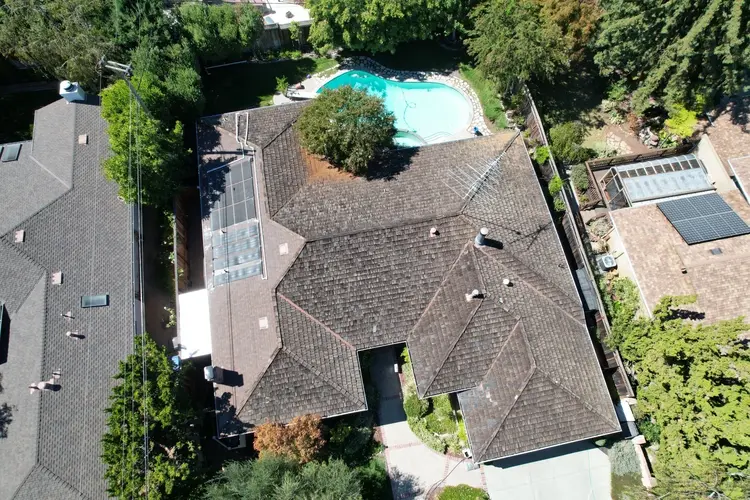
Think of your roof’s shingles as its protective armor—when pieces start going AWOL, you’ve got a problem brewing. Those curling edges, cracked surfaces, or entirely missing shingles aren’t just giving your home that “disheveled look” the neighbors love to gossip about. They’re actually exposing your roof’s underlayment to UV rays, moisture, and whatever else the sky decides to throw down. Once water sneaks past that first line of defense, it’s like giving termites a VIP invitation to your attic’s all-you-can-eat wood buffet. The damage compounds exponentially with each rainfall. Walking around your property and spotting these issues now could save you thousands in structural repairs later. Many residential roof replacement companies near me recommend a quick visual inspection after particularly windy days, as that’s when shingles are most likely to make their great escape.
Water Stains & Ceiling Paint Tantrums
Your interior ceiling is like your roof’s mood ring—it doesn’t lie about what’s happening up top. Those innocent-looking brown rings on your ceiling aren’t artistic features (despite what you’ve been telling guests). They’re your home’s way of waving red flags that water is finding its way inside. Even more concerning are those bubbling paint patches or slightly swollen drywall areas. Water doesn’t just sit still once it penetrates your roofing system; it travels along beams, collects in low spots, and generally wreaks havoc wherever gravity takes it. The spot where you see damage might actually be several feet away from the actual roof leak. This detective work requires professional eyes—precisely why many homeowners turn to experienced residential roof replacement companies in San Rafael before small stains become ceiling collapses during dinner parties.
Flashing Failures: Not as Cool as It Sounds
Despite its exciting name, flashing has nothing to do with strobe lights or superhero entrances. These thin pieces of metal around chimneys, vents, skylights, and roof valleys are your roof’s version of waterproof sealing tape. When flashing cracks, rusts, or pulls away, it’s essentially unzipping your roof’s protective barrier at its most vulnerable points. In San Rafael’s concentrated rainy season, compromised flashing quickly becomes your roof’s Achilles’ heel. Water has an almost supernatural ability to find the tiniest entry point, and once it discovers your flashing weakness, it won’t hesitate to exploit it. Regular inspections of these transitional areas can catch early deterioration before it leads to significant interior damage.
Gutter Drama: Granules, Gunk, and Overflow Galore
Your gutters tell stories—often horror stories about your roof’s health. When cleaning those leaf-filled gutters (you do clean them, right?), pay attention to excessive amounts of granules accumulating inside. These sand-like particles are the protective coating on your shingles, and when they start shedding like a nervous cat, your roof is entering its final life stage. Clogged or overflowing gutters during even light rain showers indicate the drainage system can’t handle the water load anymore. This backup creates pooling on your roof, giving water ample time to find every microscopic crack in your roofing system. Many residential roof replacement companies near me can quickly assess your gutter system as part of a comprehensive roof evaluation.
The Attic Doesn’t Lie
Your attic is the truth-teller of your home. Unlike that friend who sugarcoats everything, your attic reveals the unfiltered reality of your roof’s condition. Grab a flashlight and venture upstairs—what you see might surprise you. Water stains on beams, mold growth, or dampness after rainfall are massive red flags. Even more concerning is seeing pinpricks of daylight peeking through your roof boards. If light can get in, so can water (and critters, and cold air, and pretty much everything else you want to keep outside). Musty odors also indicate moisture problems even if you can’t visually identify the source. The attic inspection is often the most revealing diagnostic tool for determining whether you need a repair or complete replacement.
Age Ain’t Just a Number
In roof years, age really matters. Even the most diligently maintained roofs have expiration dates. Asphalt shingles typically last 20-25 years in San Rafael’s climate, while wood shakes might give you 30 years if you’re lucky. Metal roofing can extend to 50+ years but isn’t immune to weathering or installation flaws. Knowing your roof’s installation date isn’t just trivia—it’s essential planning information. If your roof is approaching its golden years and showing even minor symptoms, replacing it proactively before the rainy season is almost always more economical than emergency repairs mid-downpour. The best residential roof replacement companies in San Rafael can help assess whether your aging roof needs immediate attention or can safely weather another rainy season.
Saggy Is Not Sturdy
A roof should be many things—weather-resistant, aesthetically pleasing, properly ventilated—but “saggy” isn’t on that list. A roofline that dips, waves, or looks like it’s had too much to drink is screaming structural issues. This sagging indicates the supporting structures beneath are compromised, potentially from long-term water damage, rot, or improper installation. Once a roof begins to sag, the problem accelerates as water collects in those low spots, adding weight and causing further structural strain. This isn’t a “wait and see” situation—it’s a “call the professionals immediately” situation before your ceiling becomes your new floor covering.
Surprise Storm Leaks: The Final Wake-Up Call
There’s nothing quite like placing buckets around your living room during what the weather forecaster promised would be a “light sprinkle” to make you question your life choices. These surprise leaks during storms represent the final stage of roof failure—where your roofing system has exhausted all its defensive capabilities and is now surrendering to the elements. By the time water is actively dripping inside, you’re already looking at extensive damage to your roofing system. The silver lining? This undeniable evidence often overcomes the last psychological barrier to making that replacement call. Sudden leaks during storms are your roof’s final desperate plea for help.
Don’t Wait for the Downpour—Schedule a Roof Check Today!
San Rafael’s rainy season waits for no one, and neither should your roof maintenance schedule. Taking proactive steps now—before the first major rainfall—can mean the difference between a simple replacement on your timeline versus an emergency renovation with water-damaged belongings. Apollo Roofing Company offers comprehensive inspections that catch these warning signs early, saving you both money and stress. Our team works efficiently to ensure your replacement is completed before the heaviest rainfall months, giving you peace of mind when those storm clouds gather. Don’t let another season pass with fingers crossed and buckets ready—your home deserves better protection than hope and luck can provide!
