

A roof is designed to protect your home from the elements, but even the strongest roofing system has vulnerable points. One of the most critical yet often overlooked components is the flashing. When flashing fails, water can find its way into places it should never reach, leading to costly damage and long-term structural issues.
Understanding how flashing works, why it fails, and what to expect during roof flashing repair in Santa Cruz can help homeowners make informed decisions and protect their investment.
In a coastal environment like Santa Cruz, where moisture, salt air, and seasonal storms are common, flashing problems can develop faster than many homeowners expect. Knowing when to act and when to schedule roof flashing repair in Santa Cruz can make all the difference in preventing minor issues from turning into major repairs.

What Is Roof Flashing and Why It Matters
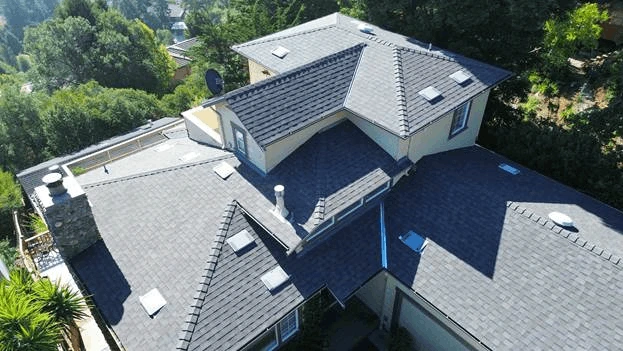
Roof flashing is a thin material, typically made of metal, installed in areas where the roof meets a vertical surface or where different sections of the roof intersect. These areas include chimneys, skylights, vents, valleys, and where the roof meets walls. Flashing acts as a barrier that directs water away from seams and joints, preventing it from seeping into the structure beneath the roofing materials.
Without properly functioning flashing, even a well-installed roof can develop leaks. Water naturally follows the path of least resistance, and small gaps or deteriorated flashing create easy entry points. Over time, this can lead to rotting wood, mold growth, insulation damage, and compromised structural integrity.
For homeowners considering roof flashing repair in Santa Cruz, understanding the importance of this component is the first step toward maintaining a durable and weather-resistant roofing system.
Common Causes of Flashing Damage
Flashing is designed to withstand exposure to the elements, but it is not immune to wear and tear. Several factors contribute to its deterioration, especially in coastal regions.
Weather plays a significant role. Constant exposure to sun, wind, and moisture causes materials to expand and contract. Over time, this movement can loosen flashing or create small cracks. In Santa Cruz, the combination of salty air and humidity can accelerate corrosion, particularly in metal flashing.
Improper installation is another common issue. If flashing is not installed correctly during the initial roofing project, it may not provide a proper seal. This can result in gaps that allow water infiltration. Poor workmanship often leads to early failure, even if the rest of the roof is in good condition.
Age is also a factor. Like all roofing components, flashing has a lifespan. As it ages, it becomes less effective at keeping water out. Sealants can dry out and crack, and metal can warp or rust, reducing its ability to perform as intended.
Physical damage can occur from falling debris, foot traffic during maintenance, or even animals. These impacts can bend or dislodge flashing, creating immediate vulnerabilities.
Signs Your Roof Flashing Needs Repair
Flashing issues are not always obvious from the outside, which is why it is important to pay attention to subtle warning signs. One of the most common indicators is water stains on ceilings or walls, especially near chimneys or vents. These stains often appear as discoloration or bubbling paint.
Another sign is visible damage to the flashing itself. This may include rust, cracks, or sections that have pulled away from the roof. If you notice gaps or lifting edges, it is likely that water can penetrate those areas.
Leaks during or after rainstorms are a clear indication that something is wrong. In many cases, these leaks are tied to flashing failures rather than the shingles themselves. Addressing the issue promptly with roof leak flashing repair in Santa Cruz can prevent further damage.
Mold or mildew growth in the attic can also signal moisture intrusion. Since flashing is responsible for sealing critical areas, its failure can allow water to accumulate in hidden spaces.
The Impact of Santa Cruz Climate on Flashing
Santa Cruz offers beautiful coastal living, but the environment presents unique challenges for roofing systems. The combination of ocean air, seasonal storms, and varying temperatures puts added stress on flashing materials.
Salt in the air can accelerate the corrosion of metal flashing, especially if it is not made from corrosion-resistant materials. Over time, this can weaken the flashing and create small holes or fractures.
Frequent moisture from fog and rain increases the likelihood of water infiltration. Even small imperfections in flashing can allow moisture to seep in, particularly during extended periods of wet weather.
Temperature fluctuations also play a role. As materials expand and contract, seals can loosen and joints can shift. This movement can compromise the effectiveness of flashing and lead to leaks.
These environmental factors make regular inspections and timely repairs essential for maintaining a reliable roofing system in Santa Cruz.
Understanding the Repair Process
When flashing issues are identified, the repair process typically begins with a thorough inspection. A roofing professional will assess the condition of the flashing, surrounding materials, and any signs of water damage. This helps determine whether a simple repair is sufficient or if replacement is necessary.
Minor issues, such as small cracks or loose sections, can often be addressed with resealing or reinforcement. Sealants are applied to close gaps and restore the barrier against water intrusion. In some cases, small sections of flashing may be replaced without disturbing the rest of the roof.
More extensive damage may require removing and replacing larger sections of flashing. This involves carefully lifting the surrounding roofing materials, installing new flashing, and ensuring a proper seal. The goal is to restore the integrity of the roof while maintaining a seamless appearance.
Homeowners often ask about the flashing repair cost in Santa Cruz, and the answer depends on the extent of the damage, the type of flashing, and the accessibility of the affected area. While minor repairs may be relatively affordable, more complex projects can require a larger investment. However, addressing flashing issues early is always more cost-effective than dealing with the consequences of prolonged water damage.
Preventing Future Flashing Problems
Prevention is key when it comes to maintaining your roof and avoiding costly repairs. Regular inspections are one of the most effective ways to catch flashing issues early. Scheduling professional inspections at least once a year, as well as after major storms, can help identify potential problems before they escalate.
Proper maintenance also plays a role. Keeping your roof clean and free of debris reduces the risk of damage to flashing. Leaves and branches can trap moisture and create conditions that accelerate deterioration.
Choosing high-quality materials is another important factor. When installing or replacing flashing, opting for durable, corrosion-resistant materials can extend its lifespan and improve performance in a coastal environment.
Working with experienced roofing professionals ensures that flashing is installed correctly and meets industry standards. Proper installation is essential for long-term reliability and protection.
Why Professional Repair Matters
While some homeowners may consider tackling minor repairs themselves, flashing repair is best left to professionals. The areas where flashing is installed are often complex and require precise workmanship to ensure a proper seal.
Professional roofers have the knowledge and tools needed to identify the root cause of the problem and implement effective solutions. They can also assess whether there are underlying issues that need to be addressed, such as damaged decking or compromised insulation.
Attempting DIY repairs without the necessary expertise can lead to incomplete fixes and further damage. In many cases, what appears to be a small issue can quickly escalate if not handled correctly.
By investing in professional roof flashing repair in Santa Cruz, homeowners can have confidence that their roof is properly protected and that repairs are done to the highest standards.
Schedule Your Roof Flashing Repair in Santa Cruz With Apollo Roofing Company Today and Protect Your Home from Costly Damage
Your roof is your home’s first line of defense, and flashing plays a critical role in keeping it secure. When flashing fails, the risk of water damage increases quickly, especially in a coastal environment like Santa Cruz. Addressing issues early can save you time, money, and stress while preserving the integrity of your home.
Apollo Roofing Company brings experience, precision, and a commitment to quality with every project. Whether you are dealing with minor flashing issues or more extensive damage, our team is ready to provide reliable solutions tailored to your needs.
Contact Apollo Roofing Company today to schedule an inspection and take the first step toward protecting your home with expert roofing services you can trust.
FAQs About Roof Flashing Repair in Santa Cruz
How long does roof flashing last?
Roof flashing can last anywhere from 15 to 30 years depending on the material, installation quality, and environmental conditions. Coastal climates may shorten its lifespan due to increased exposure to moisture and salt.
Can flashing be repaired without replacing the roof?
Yes, flashing can often be repaired or replaced independently of the rest of the roof. As long as the surrounding roofing materials are in good condition, targeted repairs can restore functionality.
What causes flashing to leak?
Leaks are typically caused by cracks, corrosion, loose installation, or failed sealants. Environmental factors and aging also contribute to flashing failure over time.
Is flashing repair covered by insurance?
Coverage depends on the cause of the damage and your specific policy. Sudden damage from storms may be covered, while wear and tear is usually considered a maintenance issue.
How do I know if I need immediate repair?
If you notice active leaks, water stains, or visible damage to flashing, it is important to schedule an inspection as soon as possible to prevent further damage.
