

If you’re planning a roof replacement this year, one of the first questions that comes to mind is simple: how much will it cost? Understanding the new roof cost San Rafael homeowners can expect in 2026 requires more than looking at a national average. Roofing prices in Marin County are shaped by local building codes, wildfire safety standards, labor rates, material choices, and permit requirements.
In this updated 2026 pricing guide, we’ll explain what affects pricing, what most homeowners are investing right now, and how to plan your budget with confidence.
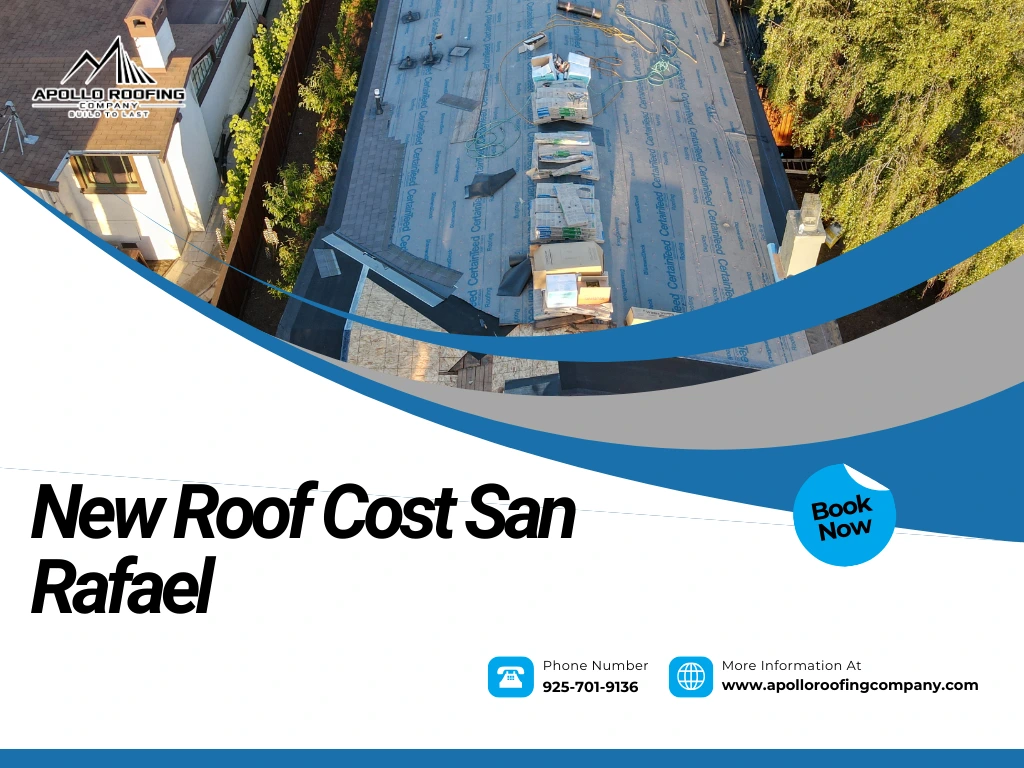
What Is the Average Roof Replacement Cost in San Rafael in 2026?
In 2026, most homeowners in San Rafael should expect to invest in the mid-five figures for a full roof replacement. For a standard-sized home using asphalt shingles, projects commonly range between $15,000 and $25,000. Homes with architectural shingles, metal systems, or tile roofing often climb higher, sometimes exceeding $40,000 depending on size and structural complexity.
Pricing in the Bay Area is typically above the national average. When evaluating the cost of a new roof locally, it’s important to factor in Marin County labor rates, required permits, and California’s strict fire and energy codes. Roofing here is not simply about installing shingles, it’s about meeting long-term performance and safety standards.
Why Roofing Prices Are Higher in Marin County
Several regional conditions directly impact the cost of a new roof in San Rafael. Labor rates in the Bay Area are among the highest in the country, and experienced roofing crews remain in strong demand. In addition, material prices have steadily increased due to manufacturing expenses, supply chain pressures, and transportation costs, all of which influence the final project total.
Wildfire-resistant construction standards also affect the cost of a new roof in San Rafael. Many homeowners opt for Class A fire-rated materials to meet local safety requirements and strengthen their home’s protection. While these materials may come with a higher upfront price, they provide long-term durability and valuable peace of mind.
Permits and inspections are another important factor. Most roof replacements require city approval and a final inspection to confirm compliance with current building codes. These regulatory safeguards are essential for safety and property value, but they do add to the overall cost of a new roof in San Rafael.
What Factors Influence Roof Replacement Pricing?
No two homes are exactly alike, which is why pricing can vary significantly from one property to another.
Roof Size
The overall square footage of your roof is one of the largest pricing factors. Larger roofs require more materials and labor time. However, size alone does not determine the final investment.
Roof Complexity and Design
The architectural design of your home can dramatically affect labor requirements. A straightforward roof layout is faster and more efficient to install. Roofs with multiple valleys, dormers, skylights, chimneys, or steep slopes demand additional precision and safety precautions. The more intricate the structure, the more time and craftsmanship are involved.
Roofing Material Selection
Material choice plays a major role in overall cost. Asphalt shingles remain the most affordable and widely used option. Architectural shingles offer enhanced durability and dimension. Metal roofing provides exceptional longevity and energy efficiency but requires a higher initial investment. Tile roofing delivers a distinctive, high-end appearance and long lifespan, though it may require structural reinforcement due to its weight.
Underlayment and Ventilation
Modern roofing systems depend on high-quality underlayment, moisture barriers, and proper attic ventilation. These components protect against leaks, mold growth, and premature failure. While upgrades in these areas can increase the project total, they are critical for long-term durability and warranty compliance.
Tear-Off and Decking Condition
In most cases, existing roofing materials must be completely removed before installing a new system. This tear-off process allows contractors to inspect the decking beneath and identify any hidden damage. Although removal and disposal add labor costs, skipping this step can compromise the integrity of the new installation.
How California Building Standards Impact Pricing
California continues to update energy efficiency and fire safety standards. These regulations affect approved materials, ventilation systems, and installation practices. While updated requirements may increase project costs, they also ensure improved safety, durability, and performance.
Energy-efficient roofing systems help reduce attic heat buildup and improve indoor comfort. Proper ventilation extends the lifespan of shingles. Fire-resistant materials offer added protection during wildfire season. These features enhance long-term value, even if they raise the upfront investment.
Is Replacing Your Roof Worth It?
Seeing the full investment can feel overwhelming at first. However, delaying necessary replacement often leads to more expensive issues.
An aging or deteriorating roof can allow water intrusion, which may cause insulation damage, mold growth, and structural rot. Minor leaks can quickly escalate into costly interior repairs. Insurance providers may also deny claims if a roof has exceeded its expected lifespan.
On the other hand, a professionally installed roof enhances curb appeal, increases resale value, improves energy efficiency, and provides manufacturer-backed warranties. In a competitive Marin County housing market, a newer roof can be a strong selling point.
When evaluating this investment, it helps to view it as long-term protection rather than a short-term expense.
How to Get an Accurate Estimate
Online price ranges are helpful starting points, but they cannot replace a professional inspection. The most reliable way to determine your specific costs is through an on-site evaluation.
A qualified contractor will measure your roof, assess slope and structure, inspect the decking, evaluate ventilation, and discuss material options. They will also review permit requirements and ensure compliance with local codes. A detailed written proposal should clearly outline materials, labor, warranties, and timelines.
Be cautious of unusually low bids. In roofing, extremely discounted pricing often signals shortcuts in materials or installation practices, which can lead to premature failure and higher repair costs later.

Apollo Roofing Company – Clear Answers on New Roof Cost San Rafael
If you are researching the new roof cost San Rafael homeowners are paying in 2026, the next step is a professional inspection. Apollo Roofing Company provides detailed evaluations, transparent estimates, and expert installation tailored to Marin County’s building requirements and climate conditions.
Our team takes the time to explain every component of your proposal so you understand exactly what you are investing in.
Call Apollo Roofing Company today to schedule your inspection and receive a customized breakdown of your new roof cost San Rafael homeowners can trust.
FAQs About Roof Replacement in San Rafael
How long will a new roof last?
The lifespan depends on the material selected. Asphalt shingles typically last 20 to 30 years. Metal and tile systems can last several decades longer when properly installed and maintained.
Will insurance cover replacement?
Insurance may cover replacement if damage results from a sudden event like a storm. Normal aging and wear are generally not covered.
How long does installation take?
Most residential projects are completed within a few days to a week, depending on size, complexity, and weather conditions.
Can I stay in my home during installation?
Yes. While the process can be noisy, professional crews take precautions to protect your property and maintain safety throughout the project.
What impacts pricing the most?
Material choice, overall size, architectural complexity, and the condition of the underlying structure are typically the biggest cost drivers.
